PRESS RELEASE
Community members spot entangled false killer whale, prompting successful rescue in Taytay, Palawan
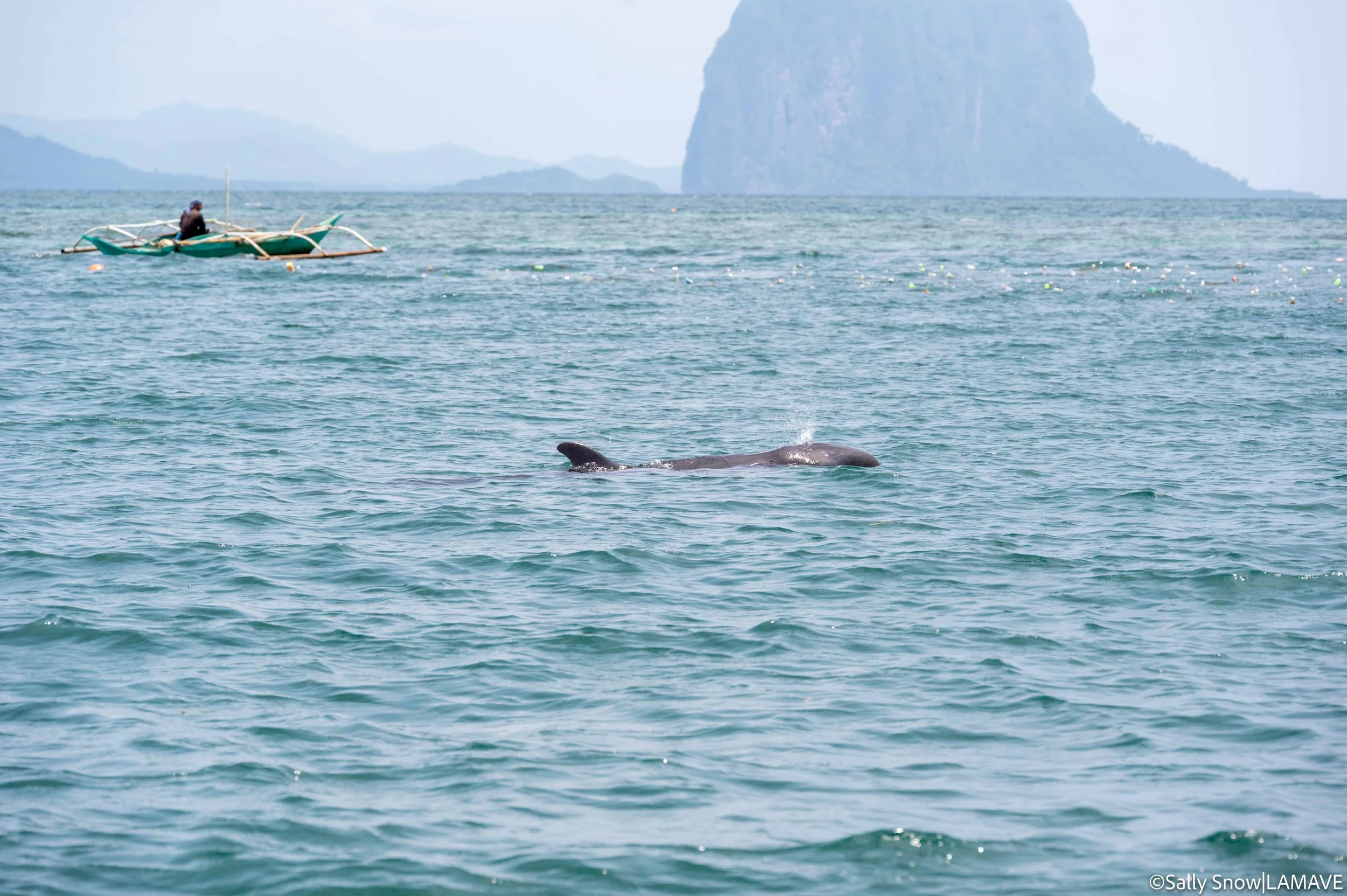
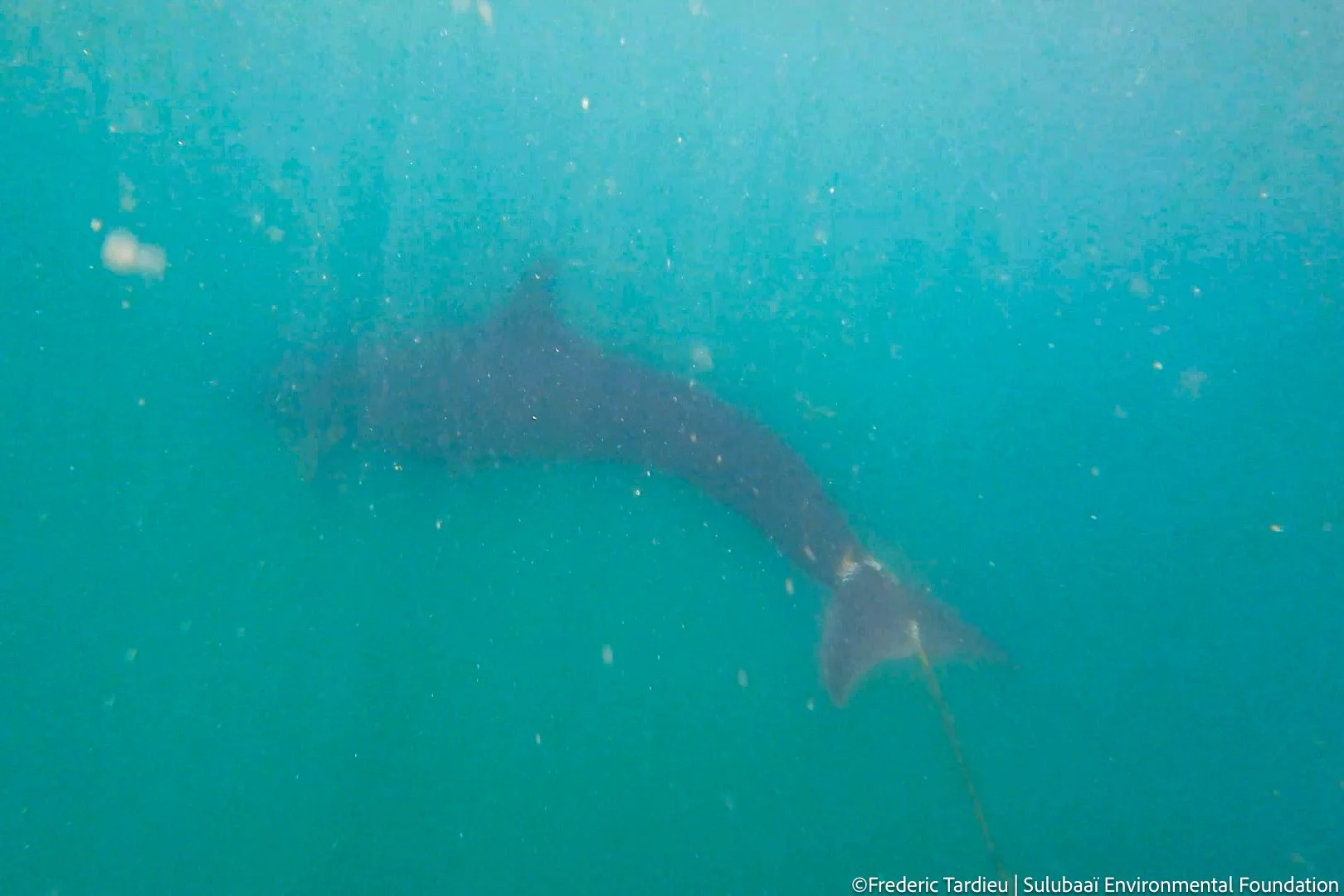
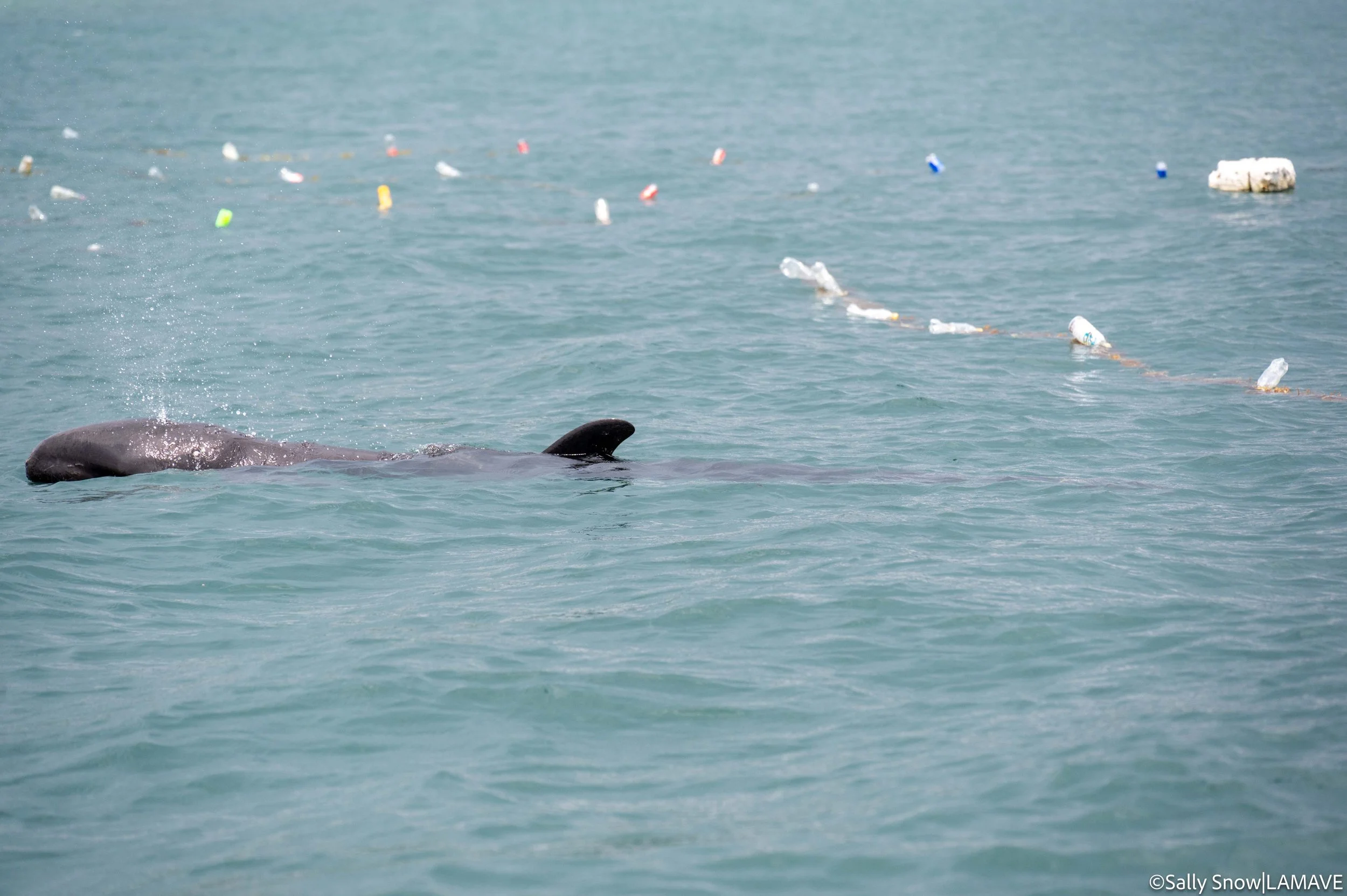
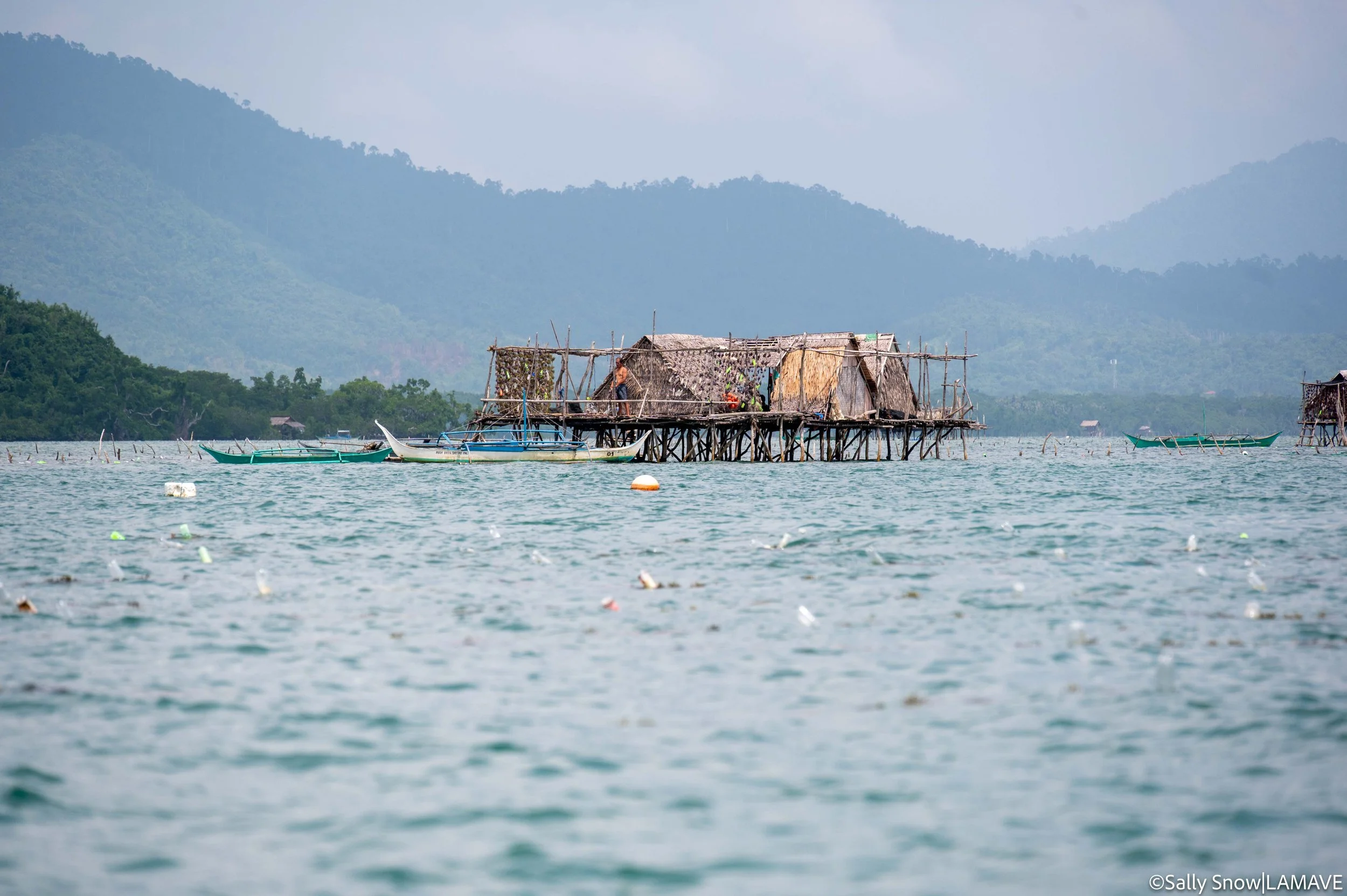
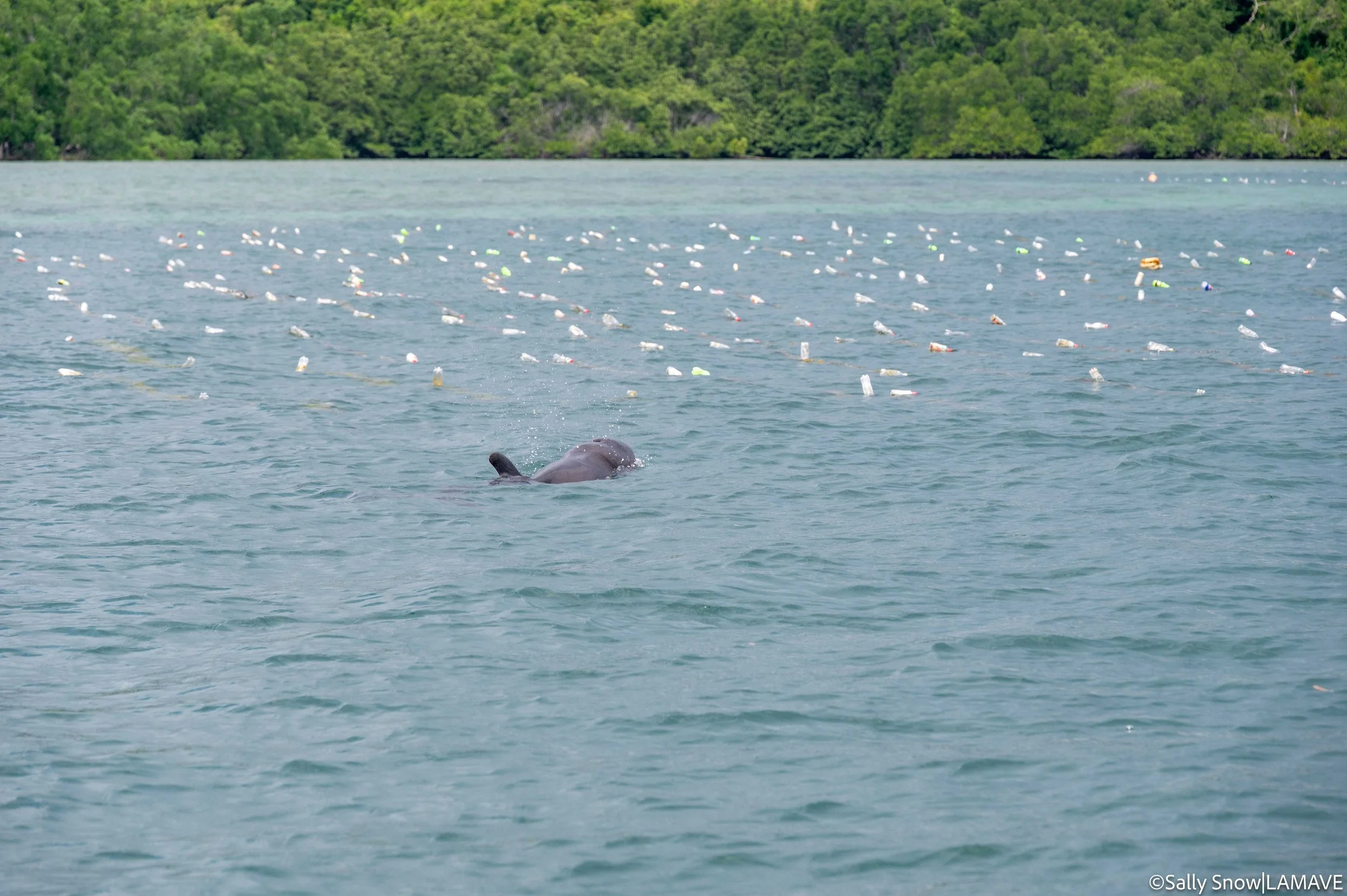
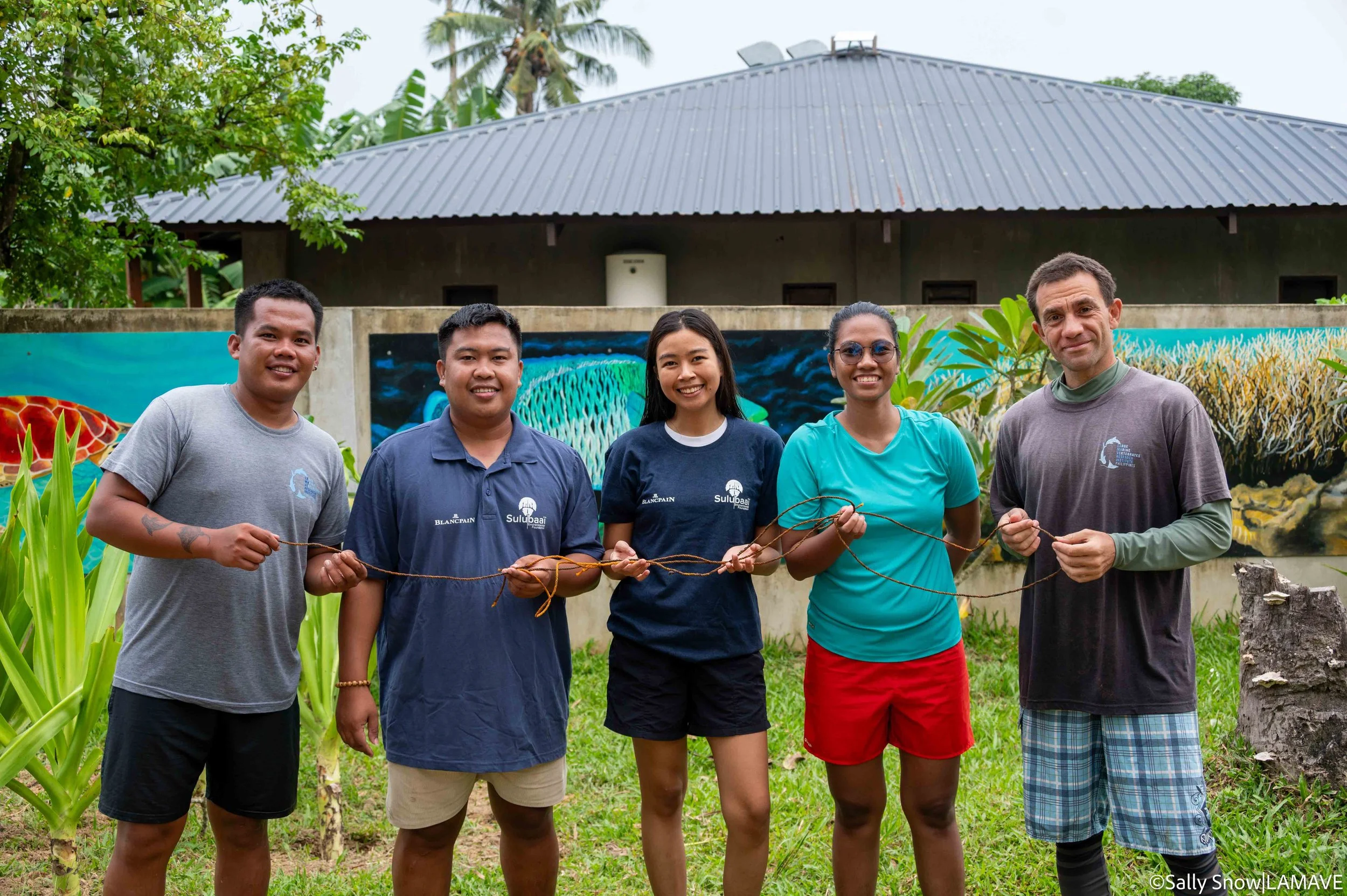
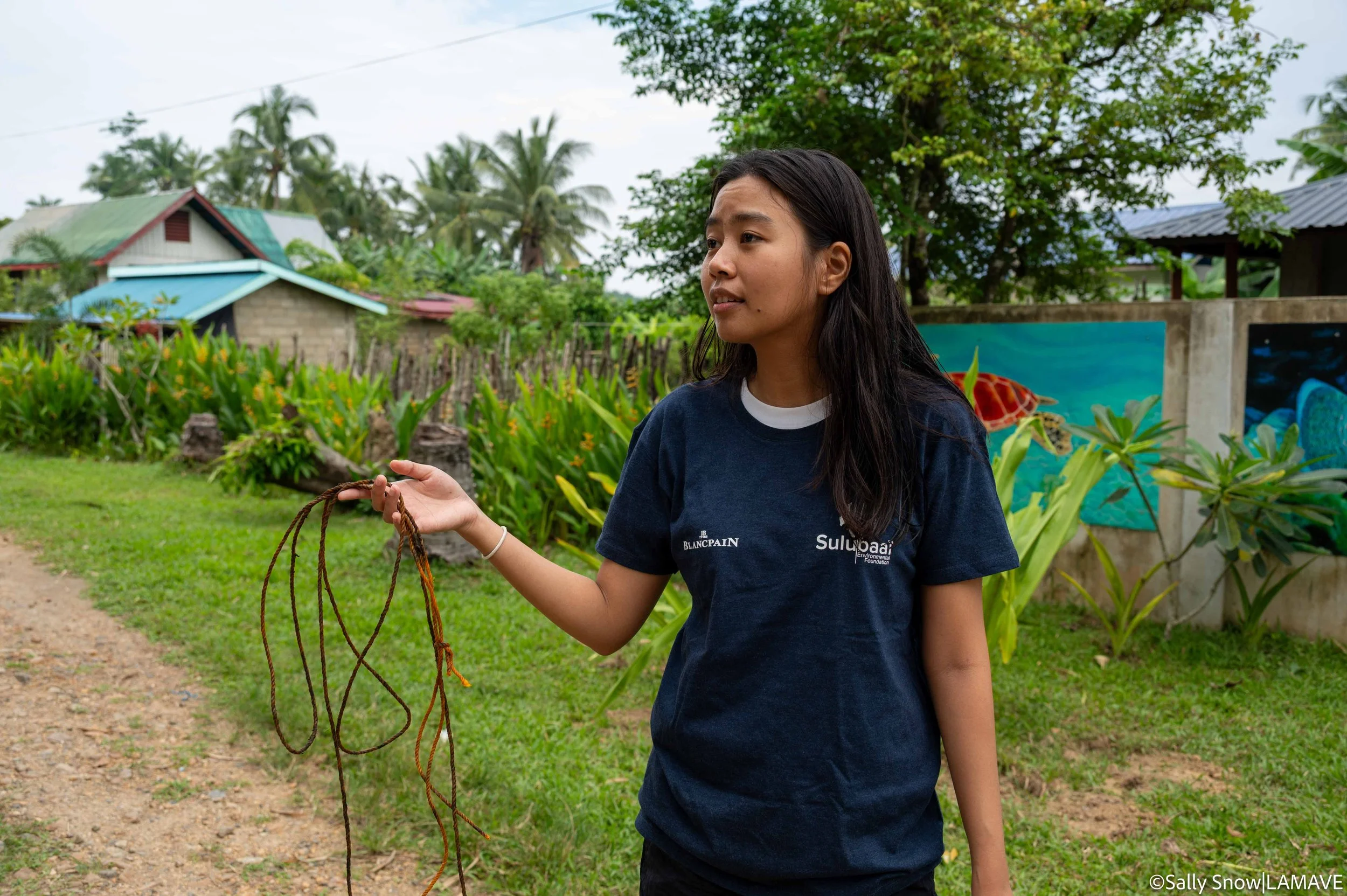
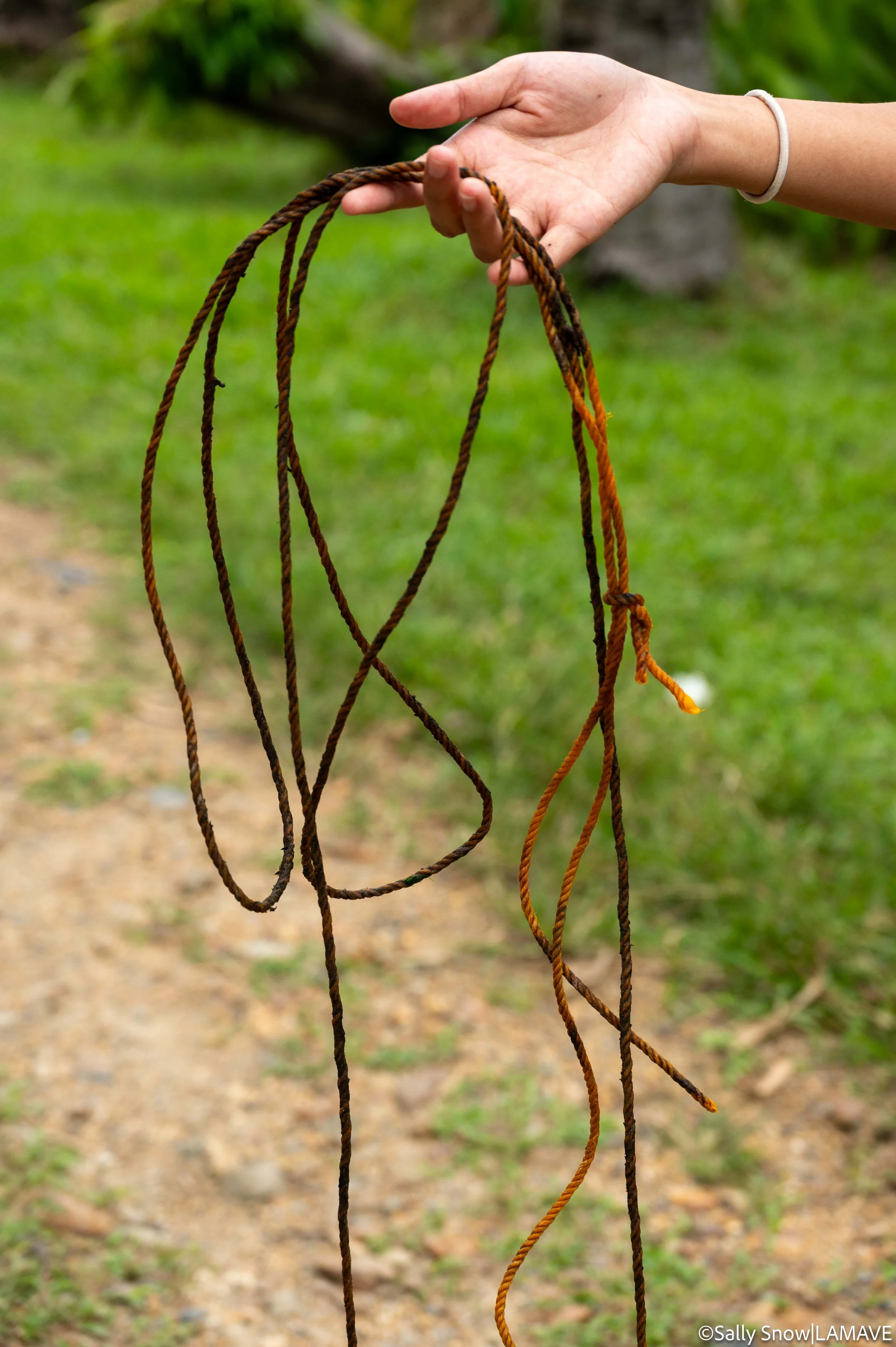
TAYTAY, PALAWAN - On September 10, a false killer whale (Pseudorca crassidens) entangled in more than two meters of nylon rope was spotted and reported by seaweed farmer Neria Paculdas and Bantay Dagat members in the shallow protected waters of community seaweed farms in Barangay Sandoval, Taytay, Palawan. A coordinated response involving the local community, Sulubaaï Environmental Foundation, Bantay Dagat of Shark Fin Bay Marine Protected Area Network, the Large Marine Vertebrates Research Institute Philippines (LAMAVE), and the Philippine Coast Guard successfully removed the rope, allowing the animal to swim away towards deeper waters.
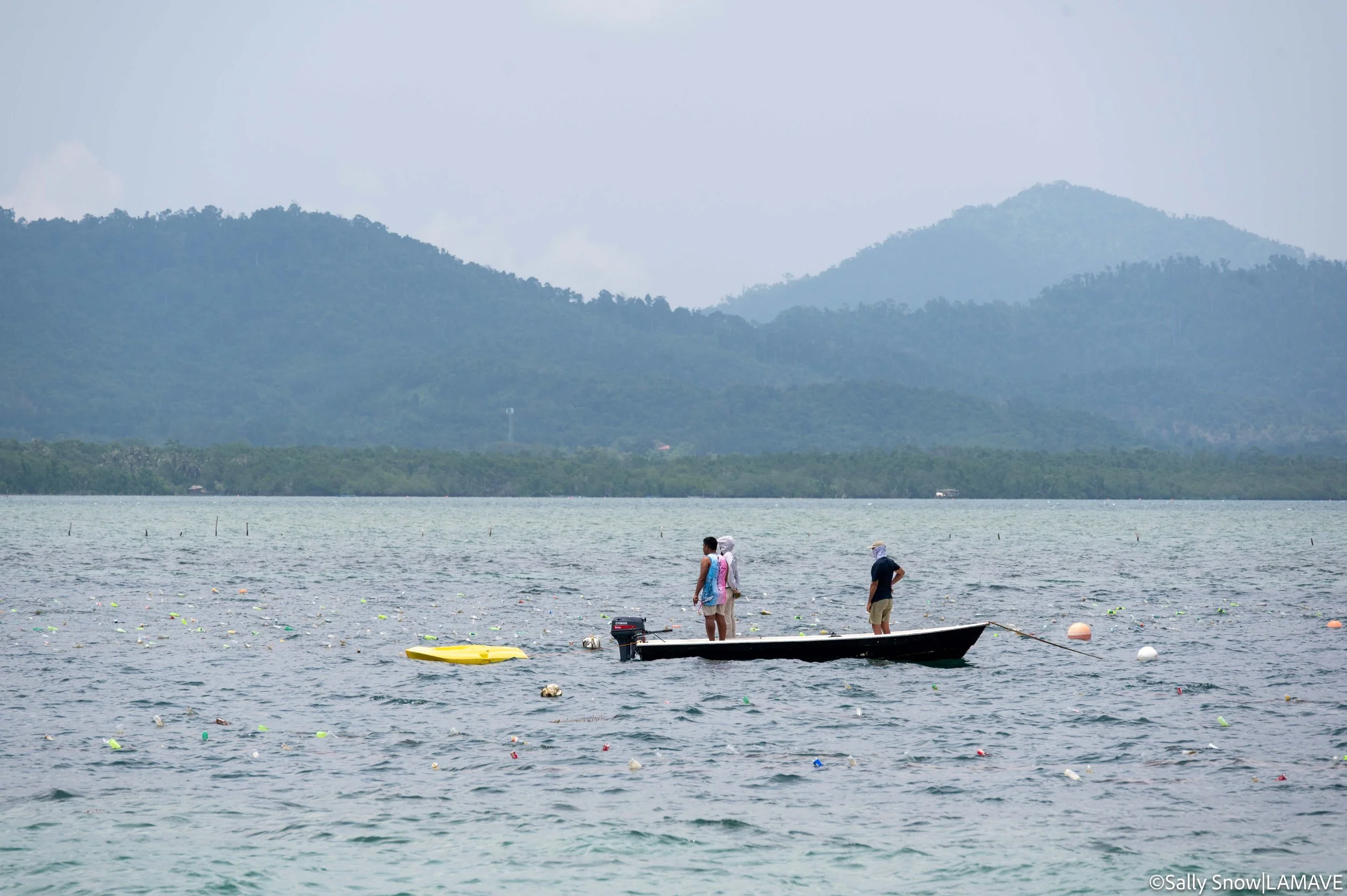
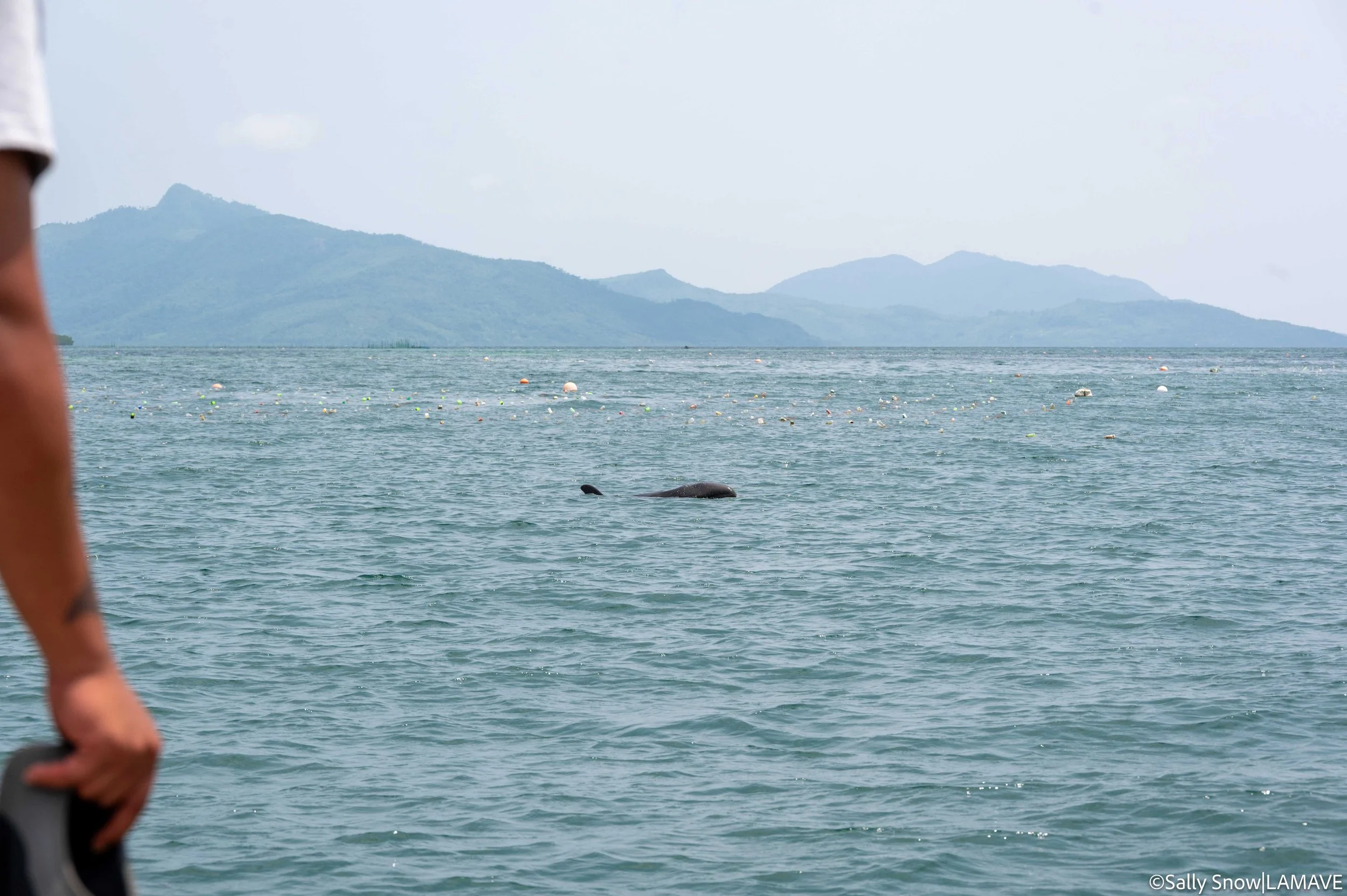
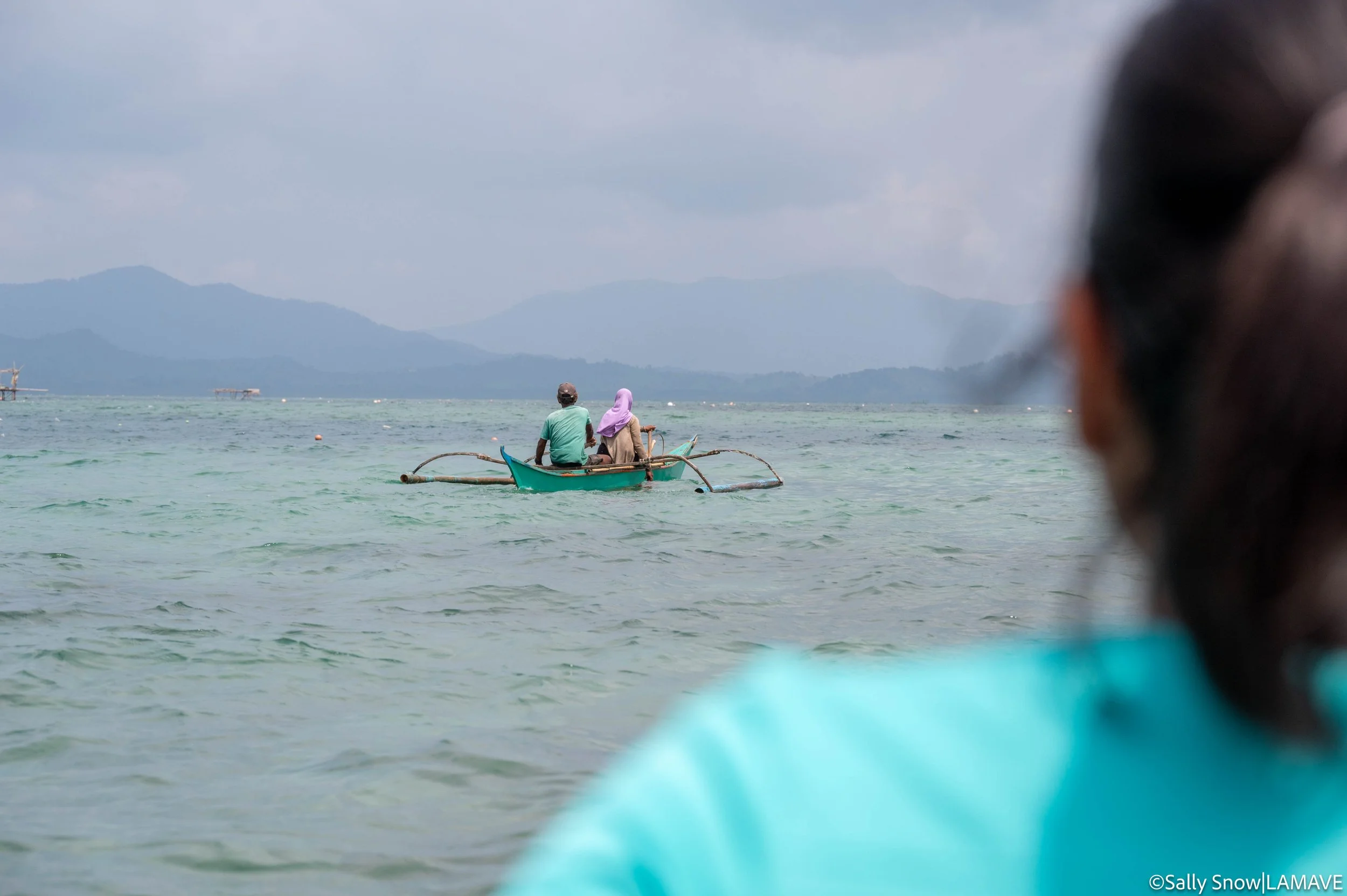
Bycatch and entanglement in fishing gear are the primary causes of death for marine mammals worldwide. Active and discarded fishing gear, ropes, and lines from aquaculture, crab pots, and fish traps pose a threat to these endangered species across the country.
Palawan is home to at least 20 species of marine mammals, more than ⅔ of the species present in the entire country, with its rich waters providing important foraging and breeding grounds as well as migratory corridors.
Thanks to the extensive community network and many years of engagement and awareness campaigns in Shark Fin Bay, the case was immediately reported to the Sulubaaï Environmental Foundation, which coordinated with Bantay Dagat personnel and assessed the animal.
The dolphin had a more than 2 m Nylon rope wrapped around the fluke (tail) and had cut into the animal's skin, creating a deep, painful wound that, if not promptly removed, could lead to tail amputation as observed in at least two irrawaddy dolphins in the nearby waters of Malampaya Sound, posing a serious risk to the survival of the animal.
The false killer whale remained within the sheltered waters of Ma’am Neria seaweed farm for multiple days, allowing the team from Sulubaai to monitor the animal.
On the 13th, the stranding response team from the Large Marine Vertebrates Research Institute Philippines (LAMAVE), together with Doc Ned (LT Ned Cassey B Tablac, PCG, Commanding Officer, Coast Guard Field Veterinary Unit-Palawan), joined the effort, providing additional manpower and expertise, as well as dedicated dolphin disentanglement tools.
Preliminary response plans were discussed during a briefing at the Blancpain x Sulubaaï Marine Research Center, in Sandoval, Taytay, before the teams were guided by Ma'am Neria to the site.
After several hours working together in the water, the team was able to safely remove the rope from the animal's tail. The false killer whale slowly swam away across the seaweed farms towards the outer bay waters, and it was monitored from the Sulubaai speed boat for 30 minutes until it disappeared in the deeper water of the Shark Fin Bay.
The successful disentangling effort highlights the importance of community awareness and participation in managing and protecting local marine resources. Seaweed farmers and other coastal resource users are often among the first people to encounter marine wildlife in distress, making their awareness and ability to report incidents critical to an effective marine wildlife response.
The response also demonstrates the value of sustained community engagement in the Shark Fin Bay MPA Network, where local communities play an important role in monitoring and protecting their marine environment. The long collaboration and support of Sulubaaï Environmental Foundation and Large Marine Vertebrates Research Institute Philippines with the Taytay LGU and PCSDS ensured a coordinated and successful response.
About false killer whales
Despite their name, false killer whales are large members of the dolphin family. They are generally associated with deep offshore waters and are highly social animals that can travel considerable distances. They are cooperative hunters and have been documented sharing prey with members of their social groups.
The species is currently classified as Endangered under the DA-BFAR FAO NO. 208 s. 2001 and is listed in CITES Appendix II. False killer whales are particularly vulnerable to threats, including interactions with fisheries and bycatch, while their low reproductive rate can make populations slower to recover from losses.
In the Philippines, false killer whales are protected under Fisheries Administrative Order No. 185-1 (1997), which prohibits the taking or catching, selling, purchasing, possessing, transporting and exporting of dolphins, whales and porpoises. Marine mammals are also protected under Republic Act No. 9147, the Wildlife Resources Conservation and Protection Act, while in Palawan, the Palawan Council for Sustainable Development (PCSD) has a specific mandate for wildlife and environmental protection under Republic Act No. 7611, the Strategic Environmental Plan for Palawan Act.
If you encounter marine wildlife in distress
If you encounter a marine animal that is dead, injured, entangled or otherwise in need of assistance, do not attempt to handle or rescue the animal yourself. Report the animal to local authorities as soon as possible and, where safe to do so, provide information about its location, condition and any visible threats such as fishing gear or ropes.
In Palawan, stranded or distressed marine wildlife can be reported to the Palawan Council for Sustainable Development (PCSD):
PCSD:
0970-302-8554 (Smart)
(048) 433-1131 (Landline)
PCSD Wildlife Traffic Team:
0935-116-2336 (Globe)
0948-937-2200 (Smart)
PCSDS Enforcement Team:
Central – 0951-320-8791
South – 0916-954-6919
North – 0912-575-3527
Calamian – 0907-660-5619
Notes to Editors
Sulubaaï Environmental Foundation is a non-profit organization in Palawan, Philippines, that protects and restores marine and terrestrial ecosystems by creating community-based marine protected areas and supporting local communities in preserving and managing their marine resources.
Sulubaaï Environmental Foundation | Facebook | Instagram
The Large Marine Vertebrates Research Institute Philippines (LAMAVE) is a non-profit, non-governmental organization dedicated to the conservation of marine megafauna and their habitats in the Philippines. LAMAVE works through scientific research, policy, and education.
The Shark Fin Bay MPA Network comprises five multi-use marine protected areas covering approximately 9 km². Each MPA includes a core fully protected zone and a surrounding 50-meter buffer zone, with an additional 500-meter-radius zone that prohibits fish traps (baklad) and fish aggregating devices (payao or FADs), thereby supporting equitable small-scale fishing access to fish spillover from the fully protected zones.
The Palawan Council for Sustainable Development (PCSD) is a policy-making body under the Office of the President established through Republic Act No. 7611 (Strategic Environmental Plan for Palawan Act) in 1992. Through the Palawan Council for Sustainable Development Staff (PCSDS), it supports the implementation and enforcement of environmental laws and management of the Environmentally Critical Areas Network (ECAN) framework in Palawan. PCSD Official Website
LAMAVE and the Palawan Council for Sustainable Development (PCSD) operate under a Memorandum of Agreement (MOA) for a collaborative project to enhance marine megafauna conservation in Palawan, including marine wildlife stranding response, rescue and rehabilitation.