NEWS
This World Oceans Day, we reflect on how the Philippines is reimagining marine wildlife tourism
The 2026 theme for #WorldOceansDay, “Reimagine: Beyond the world we know, a new relationship with our ocean,” calls for a shift in how we relate to the ocean, moving away from resource users to active stewards. It highlights the need to bridge the growing disconnect between society and the marine world.
In the Philippines, at the heart of the Coral Triangle, the ocean teems with life. The country hosts five of the world’s seven sea turtle species, almost 30 species of marine mammals, and is home to globally significant whale shark aggregation sites, making it a world class destination for marine wildlife lovers.
Sustainable marine wildlife tourism in the Philippines is having a moment
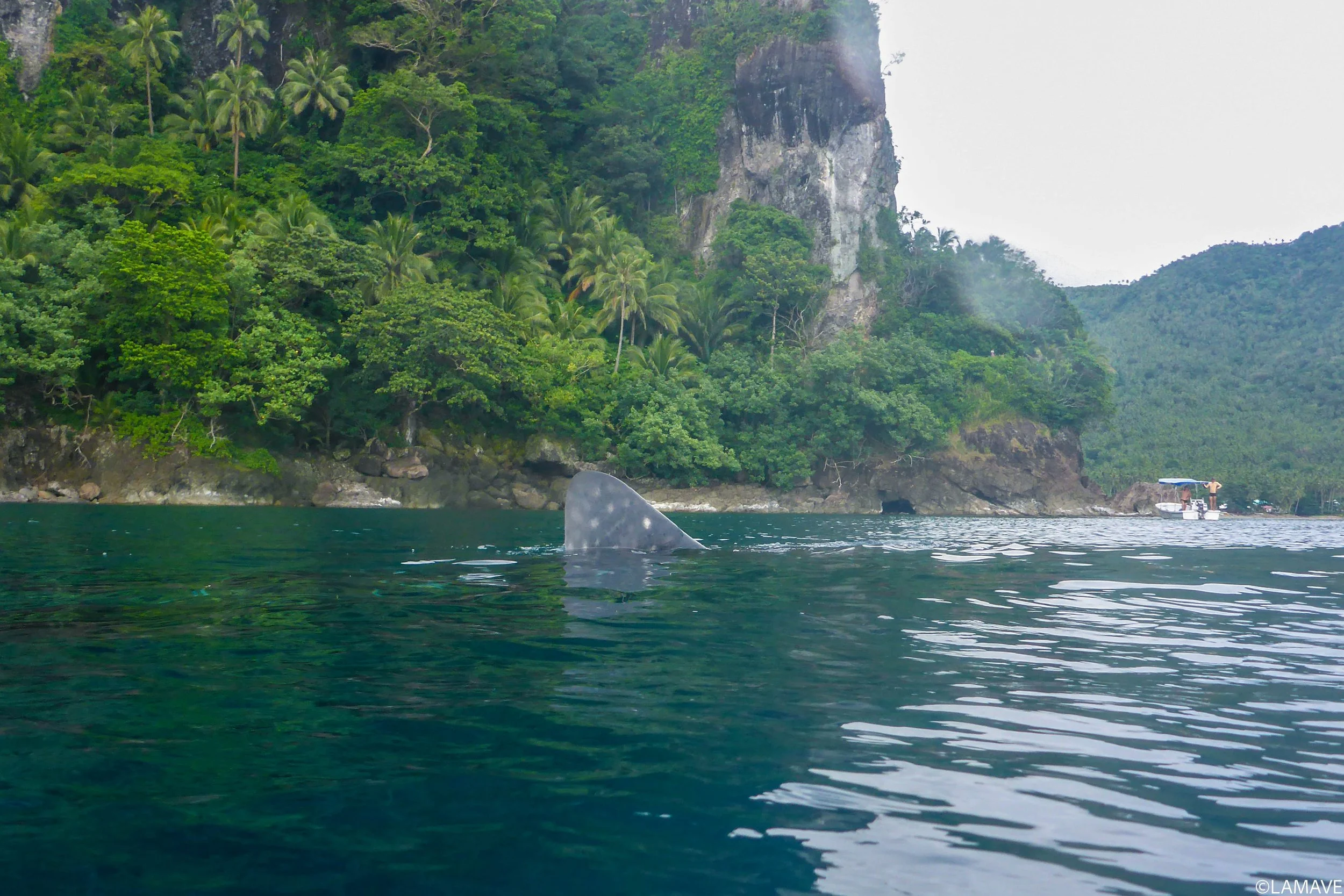
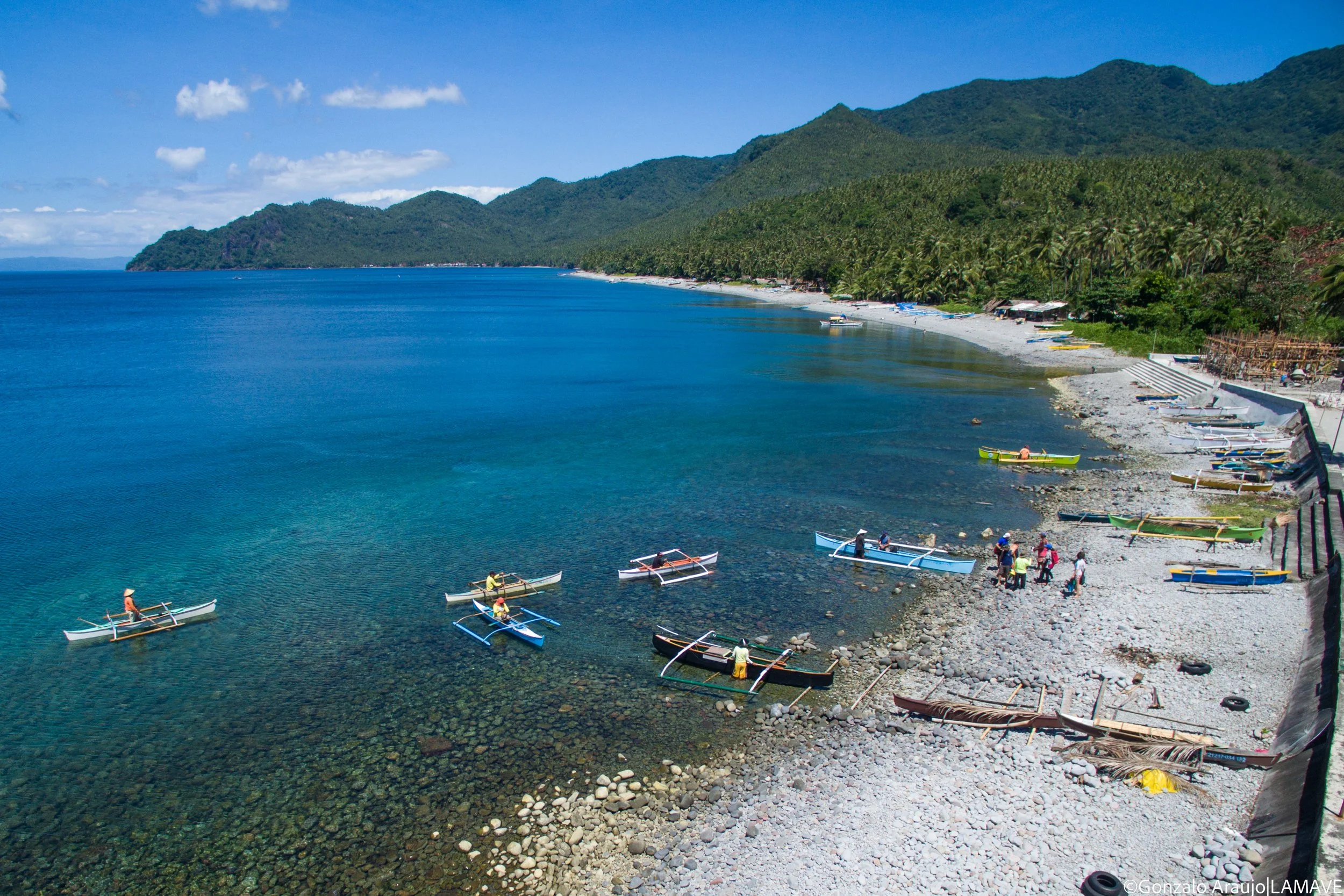
Pintuyan in Southern Leyte is home to one of the Philippines’ most well-managed whale shark interaction sites. This year, the municipality welcomed close to 10,000 visitors, reflecting growing demand for responsible marine wildlife tourism.
The people’s organization KASAKA and the Local Government Unit have long championed sustainable marine wildlife tourism. Whale shark interaction guidelines were formalized through a municipal ordinance in 2008. More recently, in 2025, the waters around Panaon Island, where Pintuyan is located, were declared a Protected Seascape, recognizing the area’s ecological importance and rich marine biodiversity.
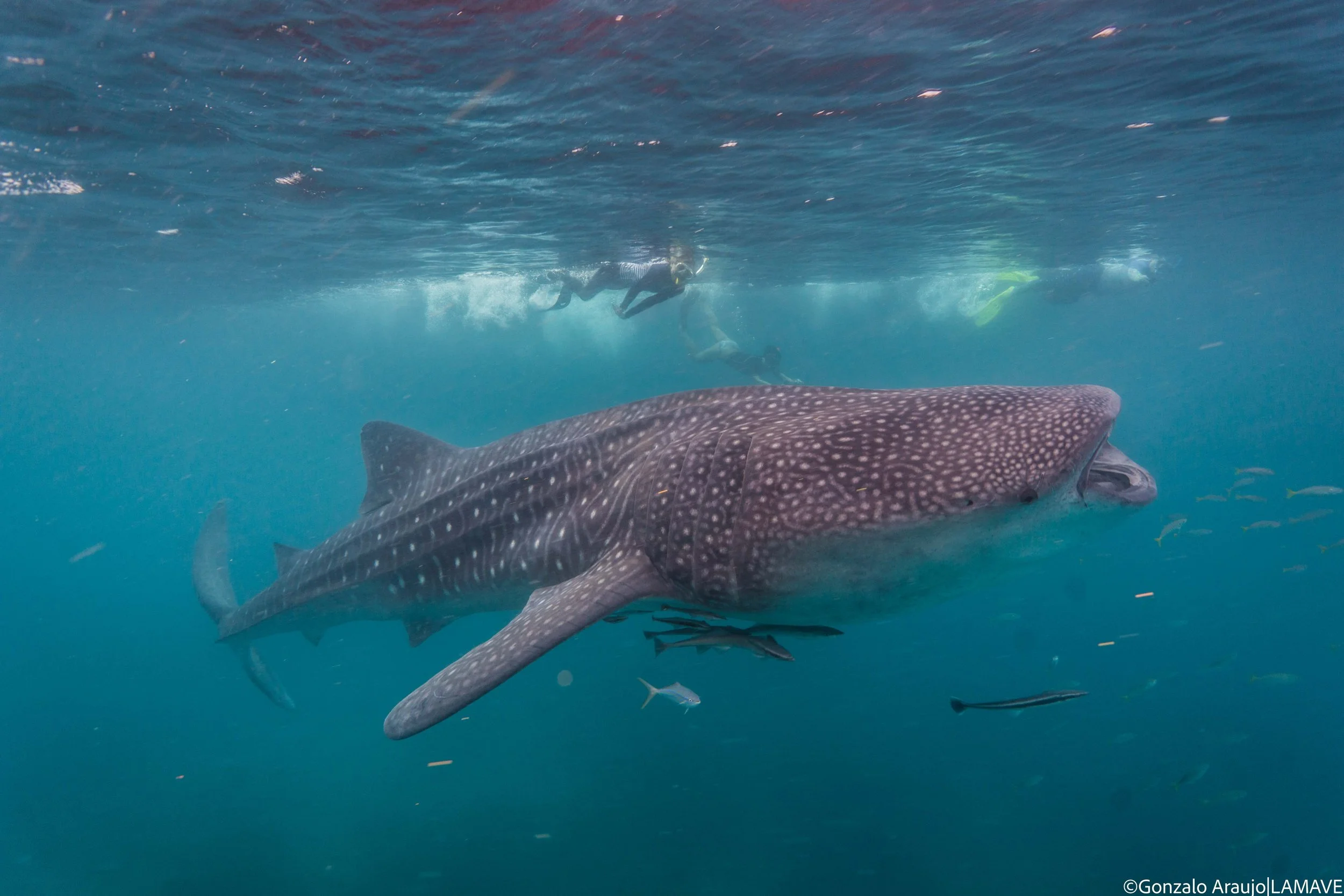
"Whale shark tourism in Pintuyan follows strict guidelines that prohibit feeding, baiting and touching the animals, allowing the species to surface and migrate naturally while protecting the marine biodiversity of Sogod Bay," - Edilberto Alapag Pintuyn Tourism Officer.
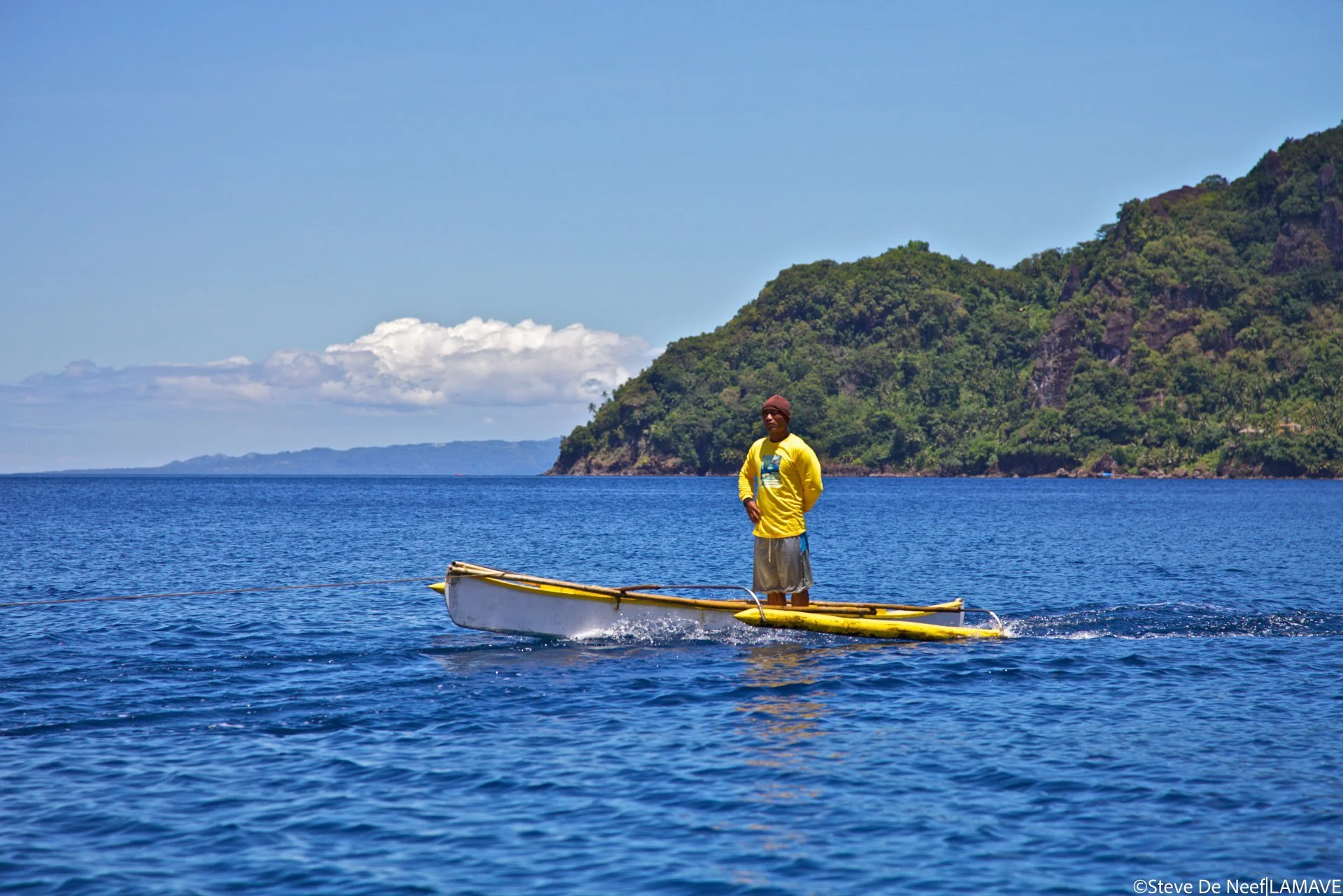
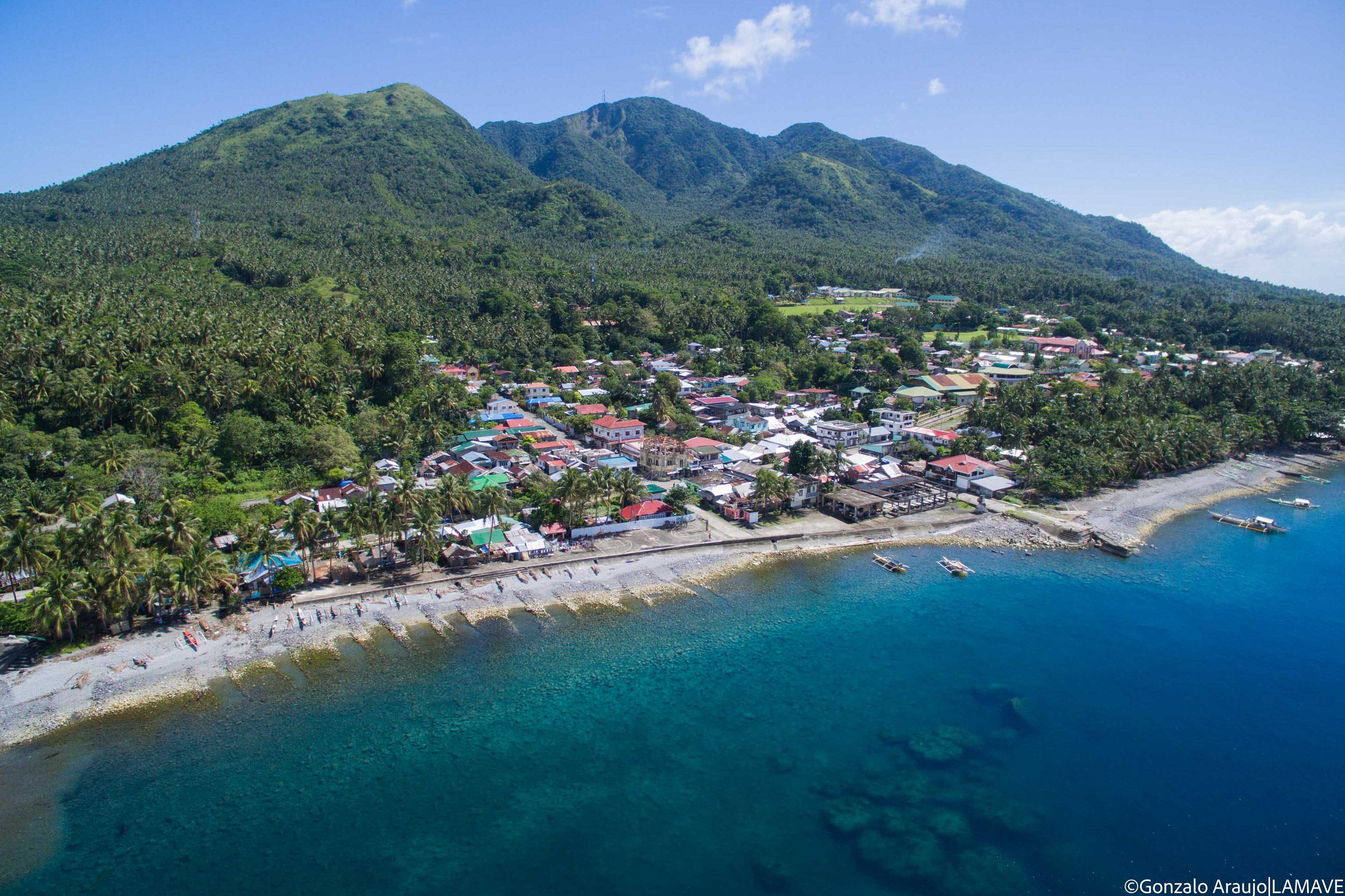
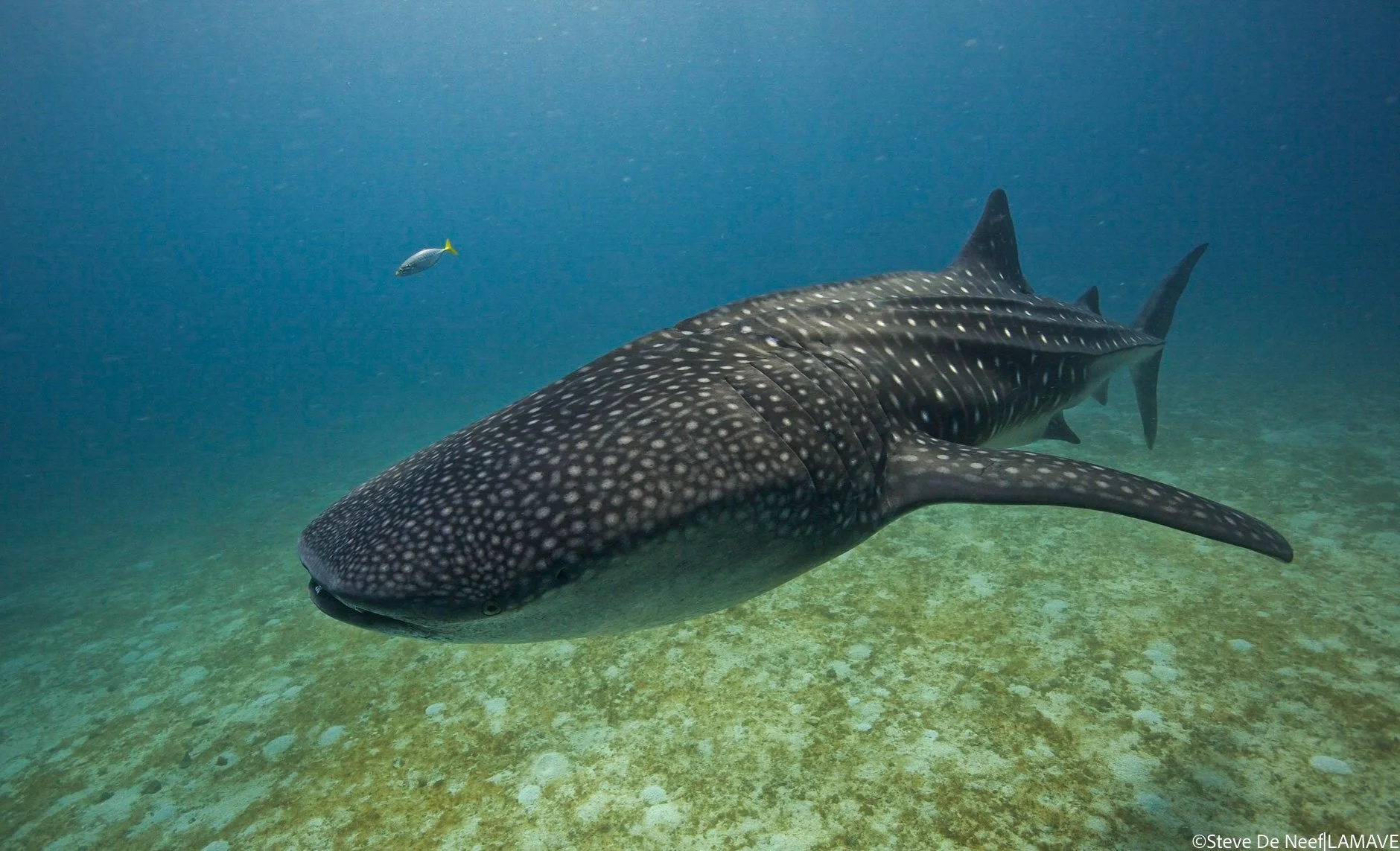
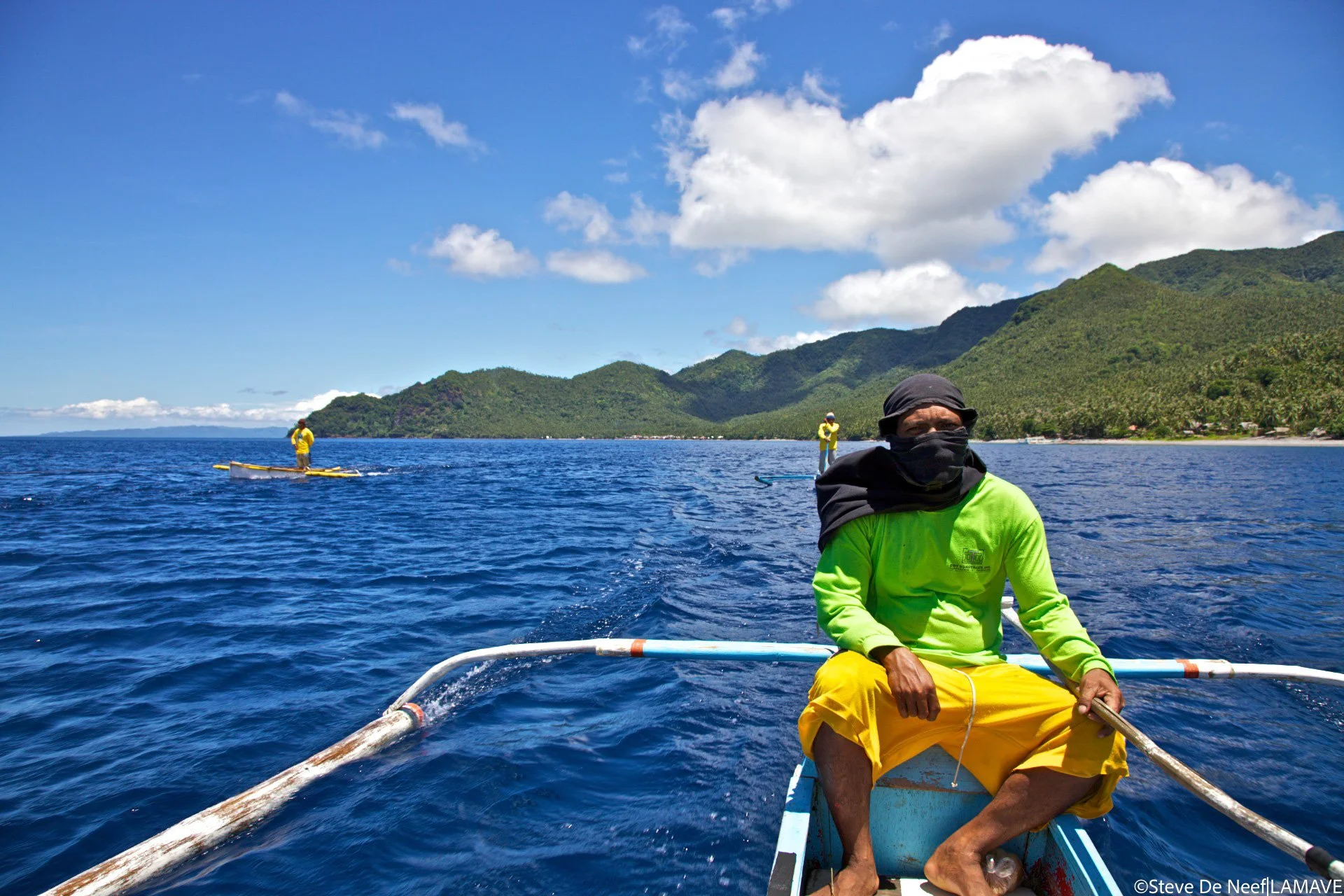
When LAMAVE started collaborating with the community over a decade ago, it was immediately clear that local people had a deep respect for the ocean. That commitment has translated into action over the years.
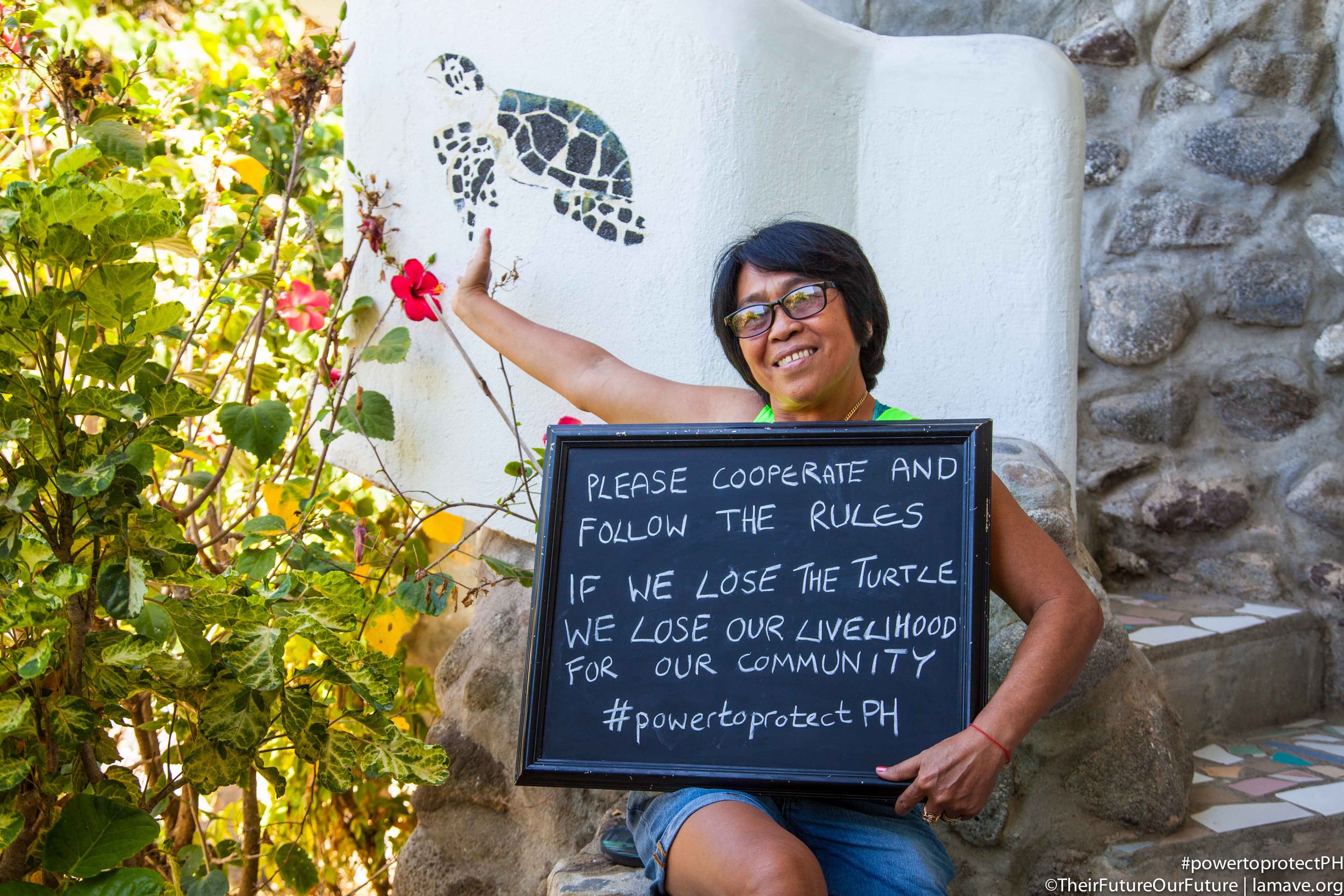
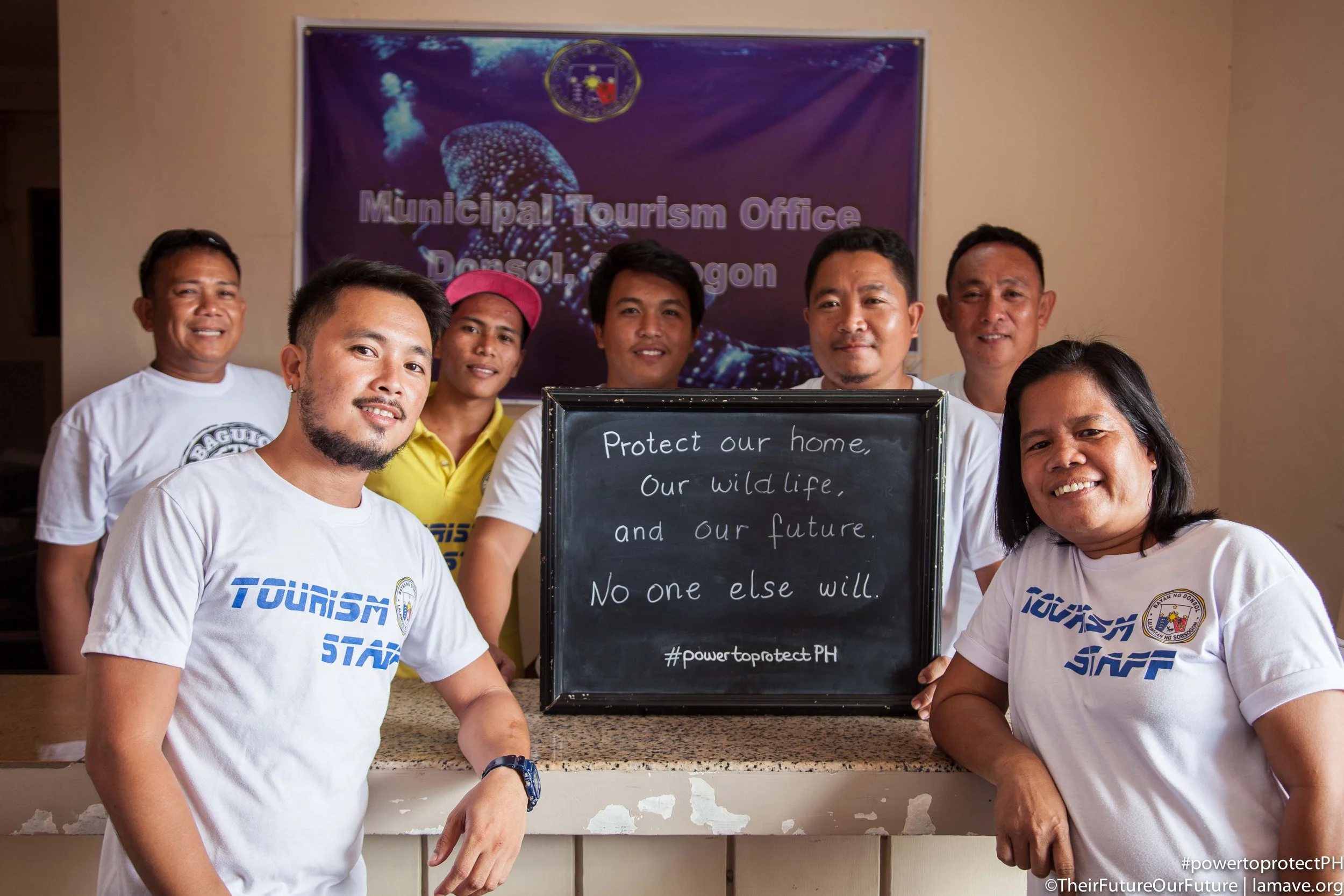
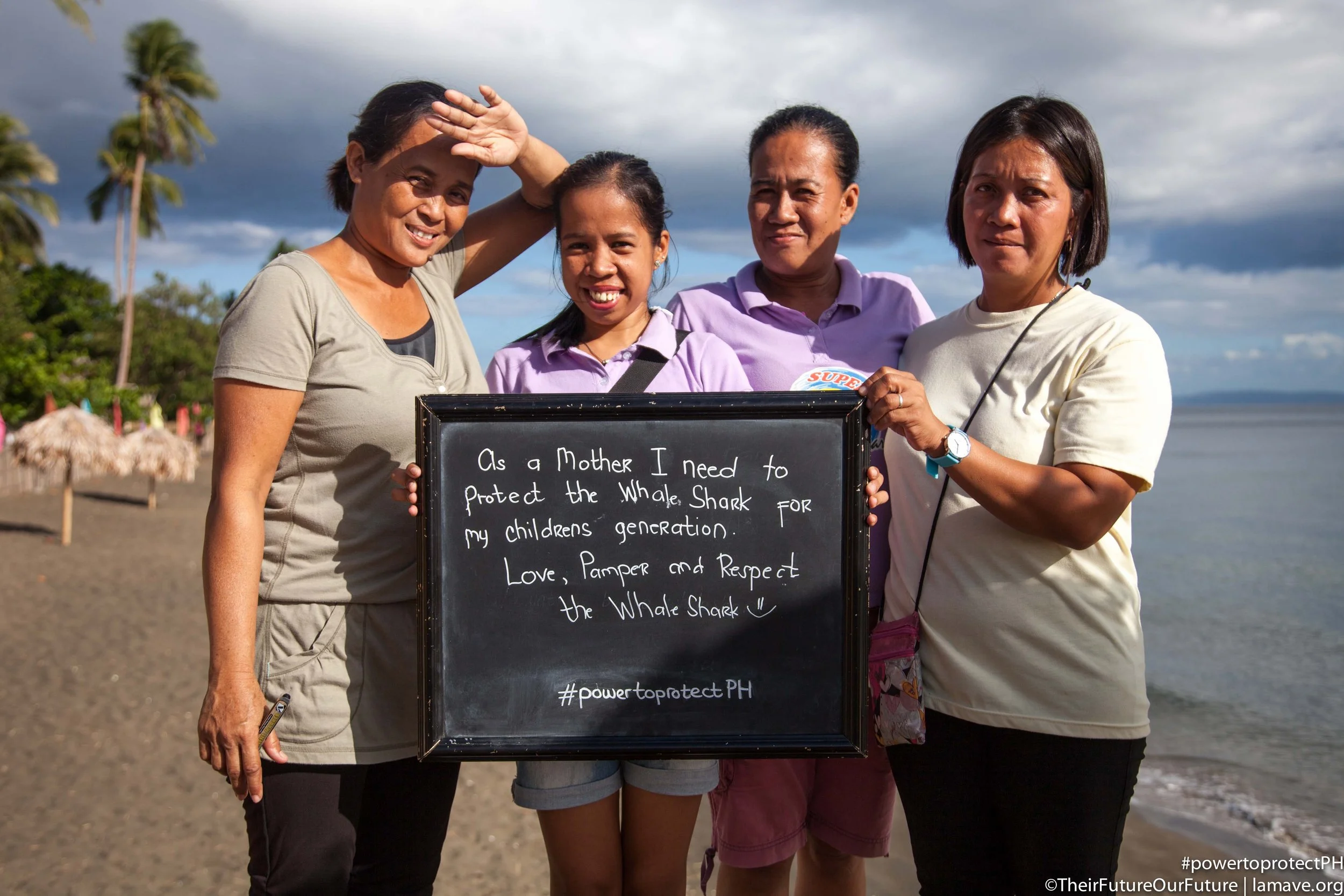
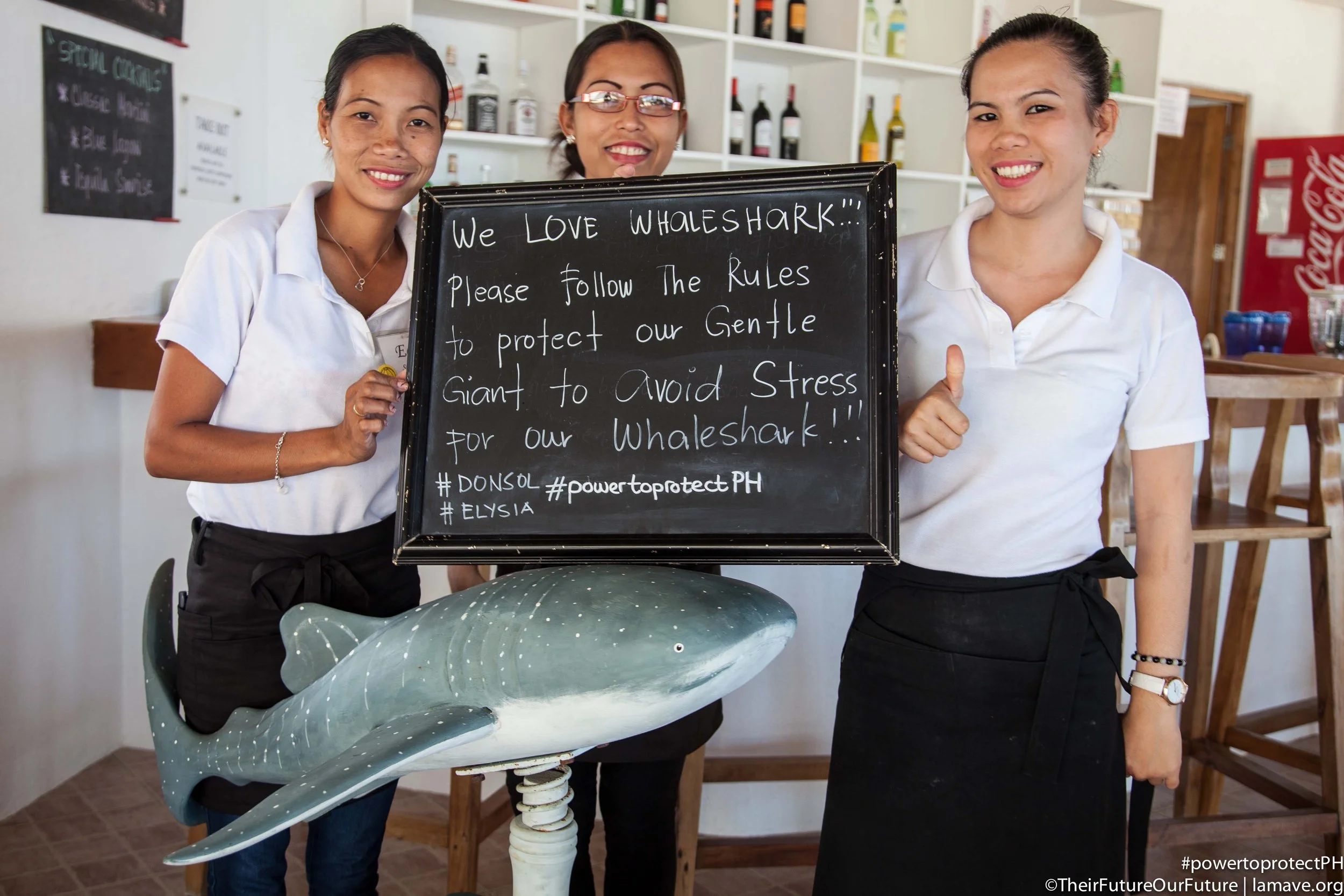
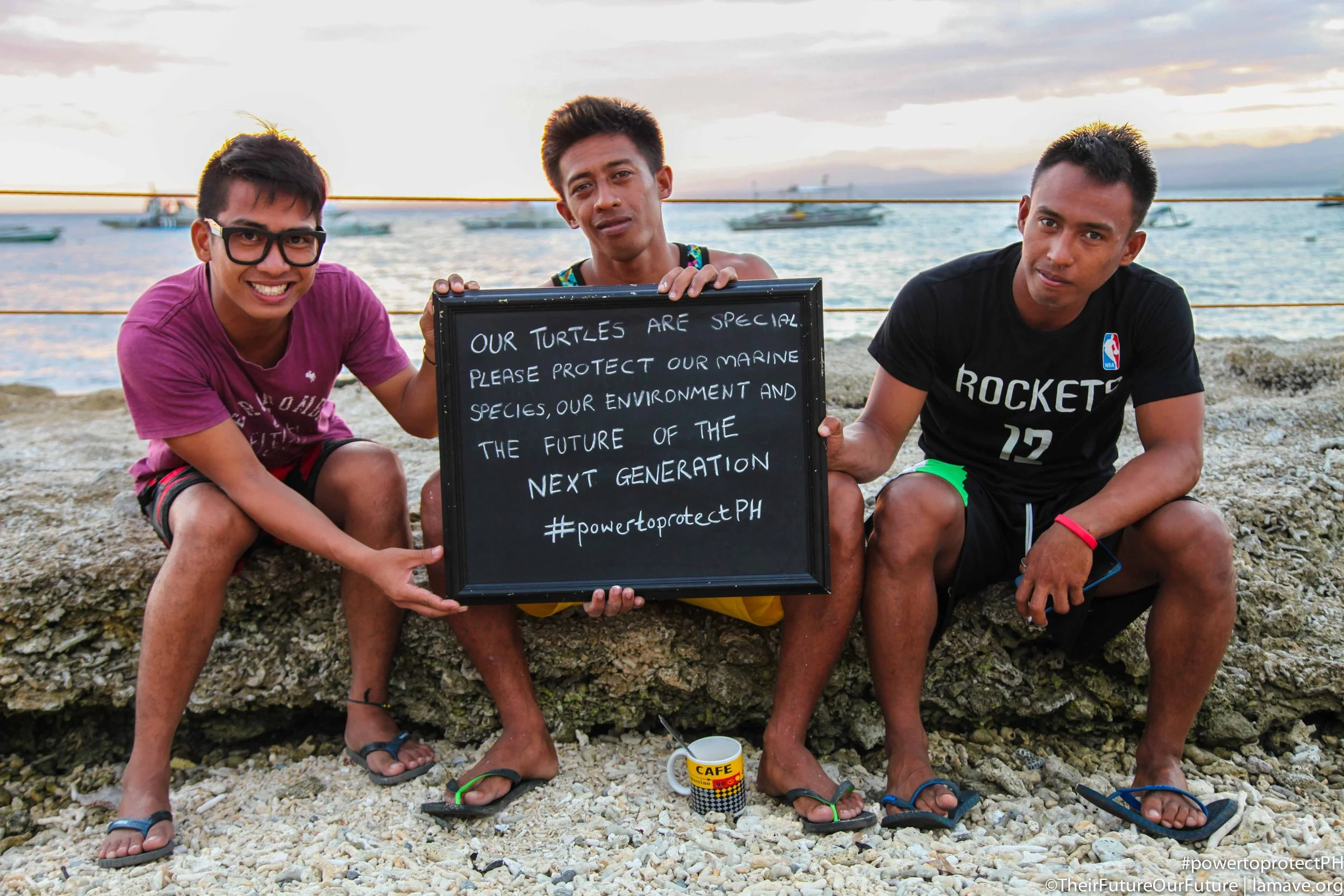
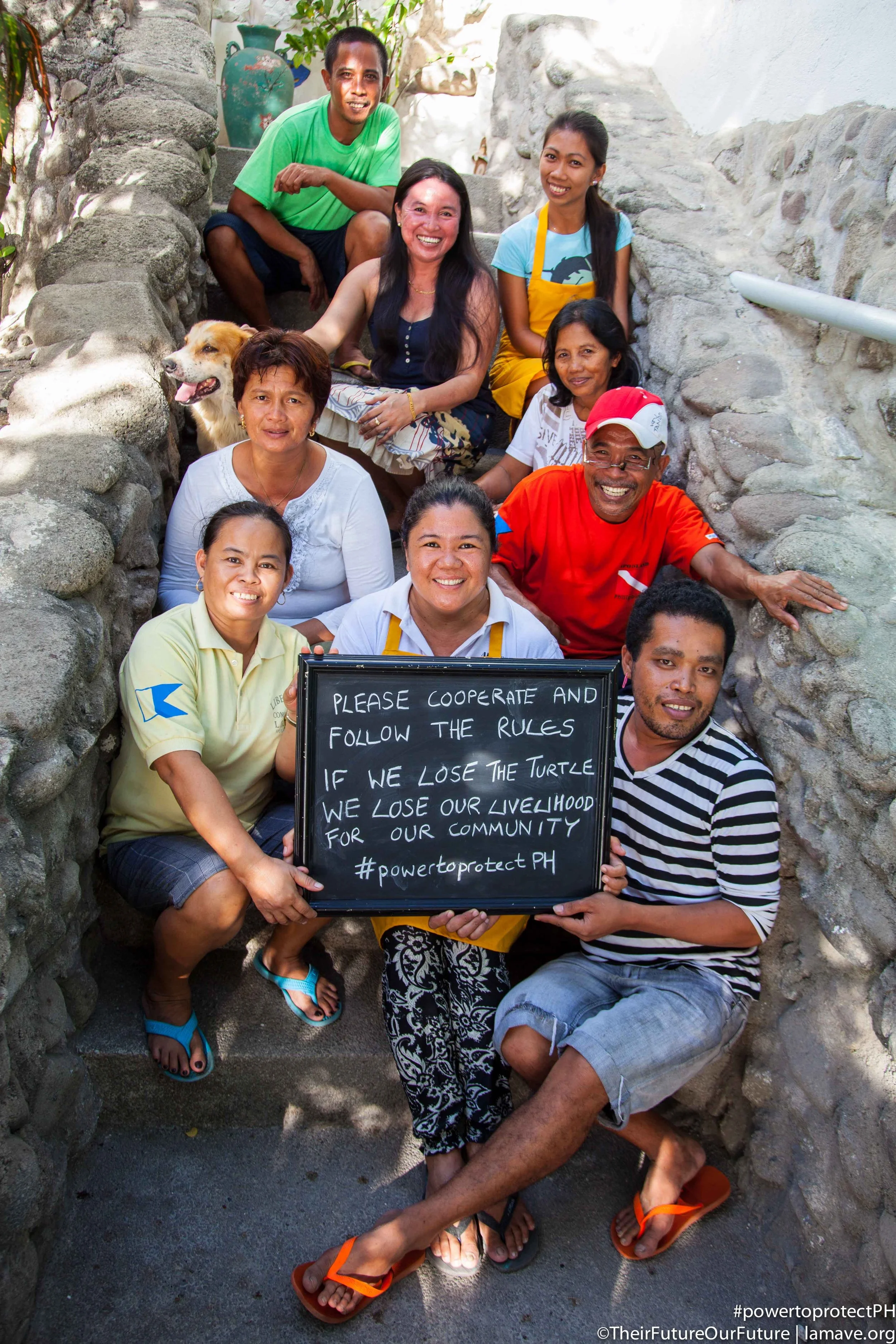
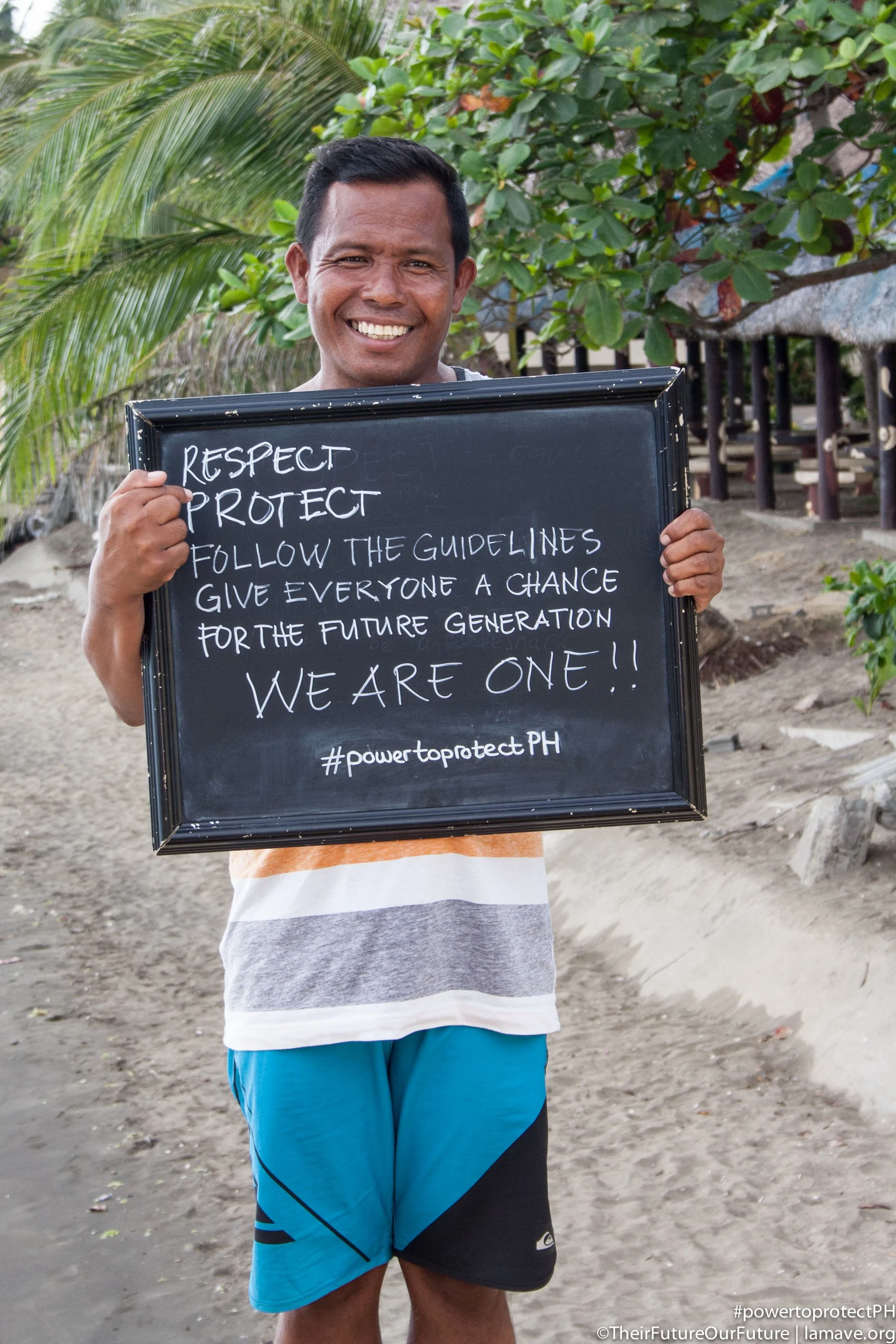
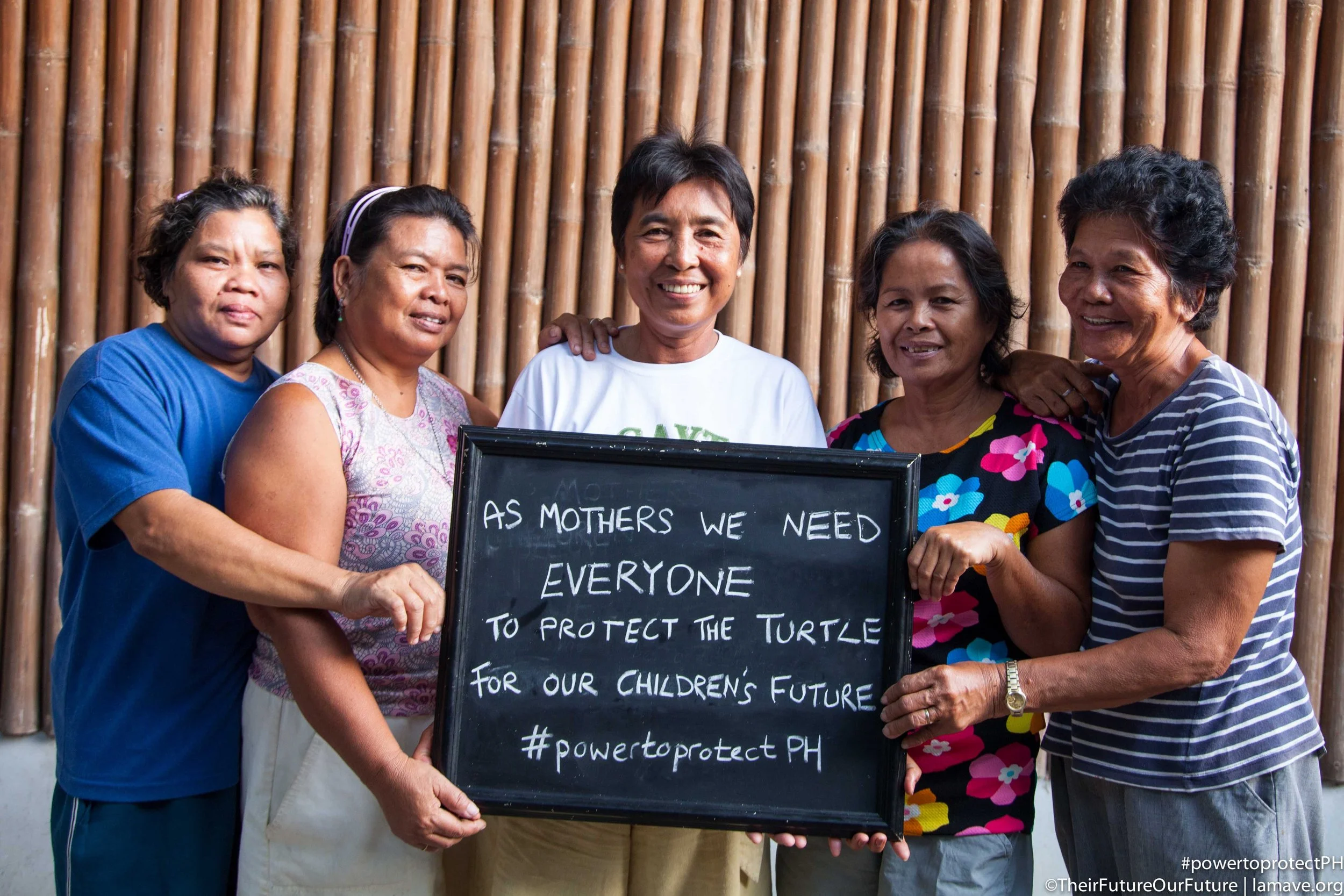
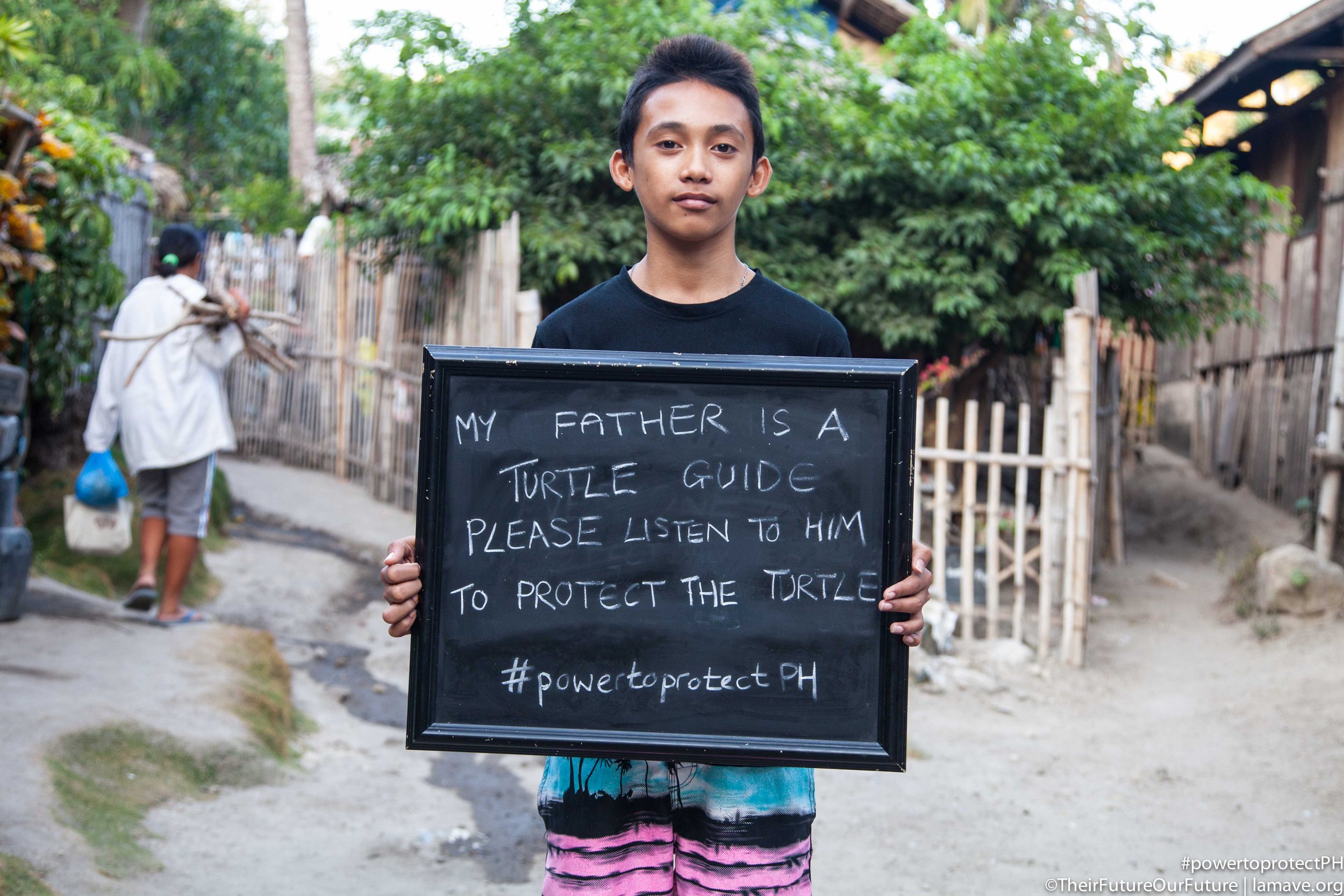
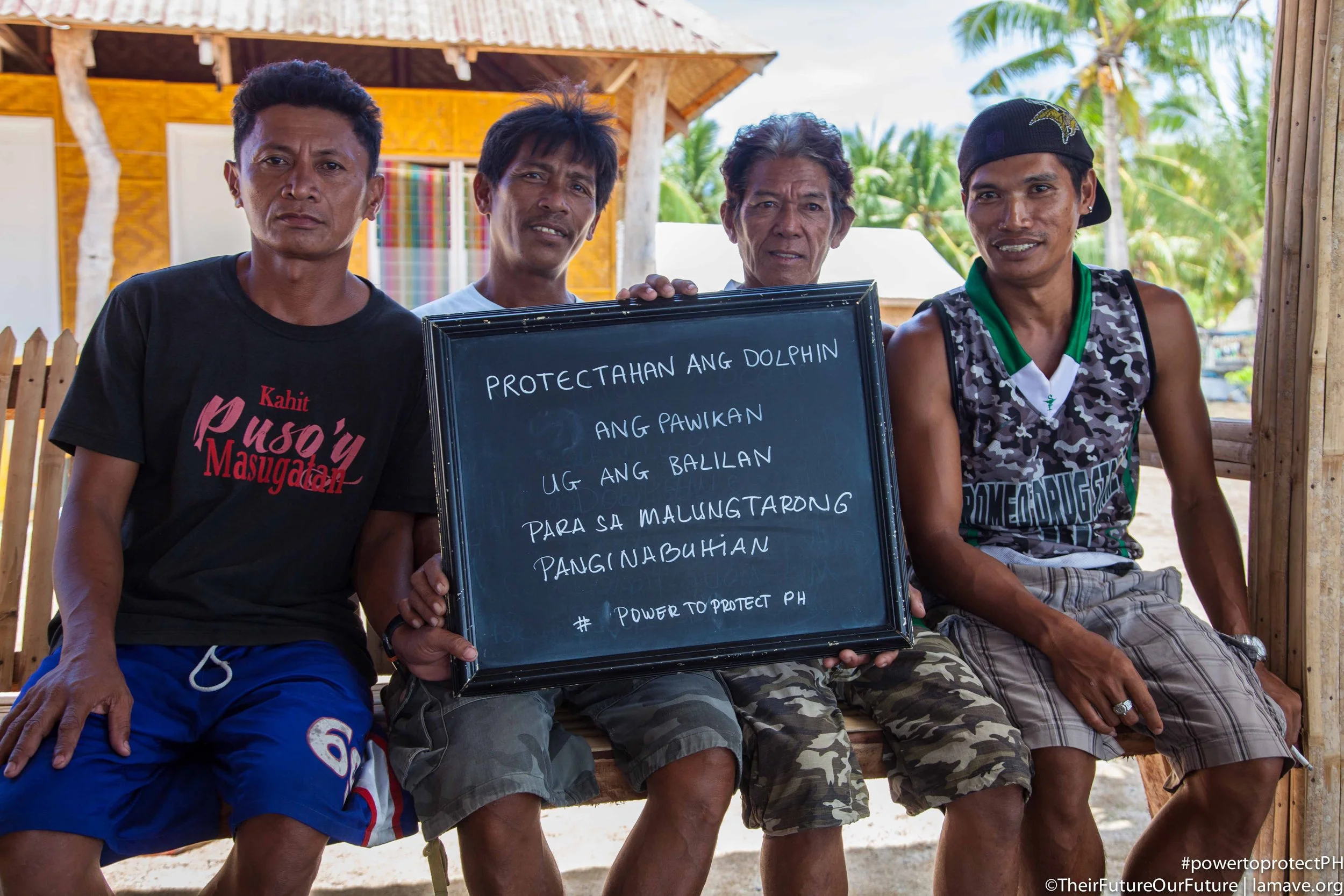
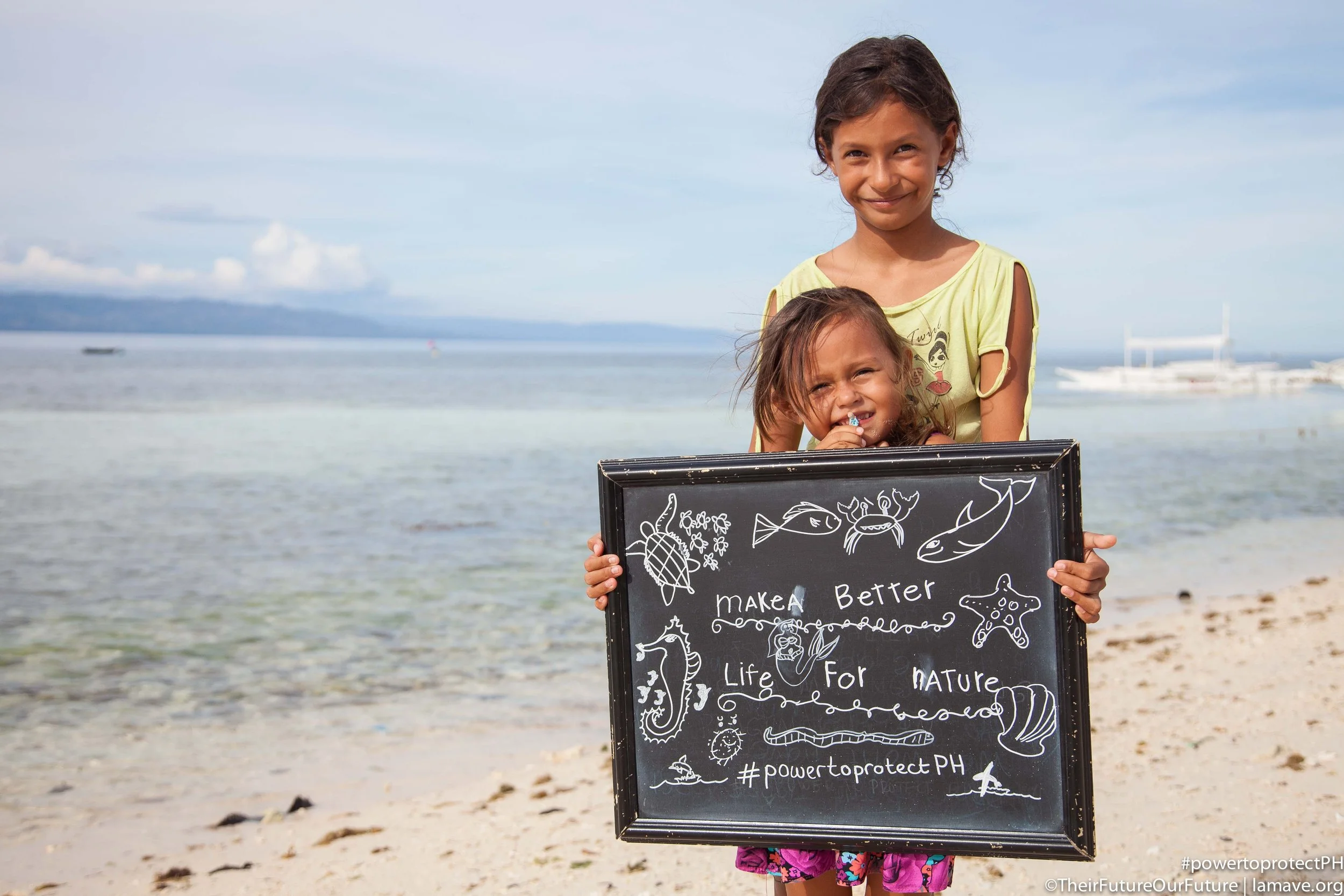
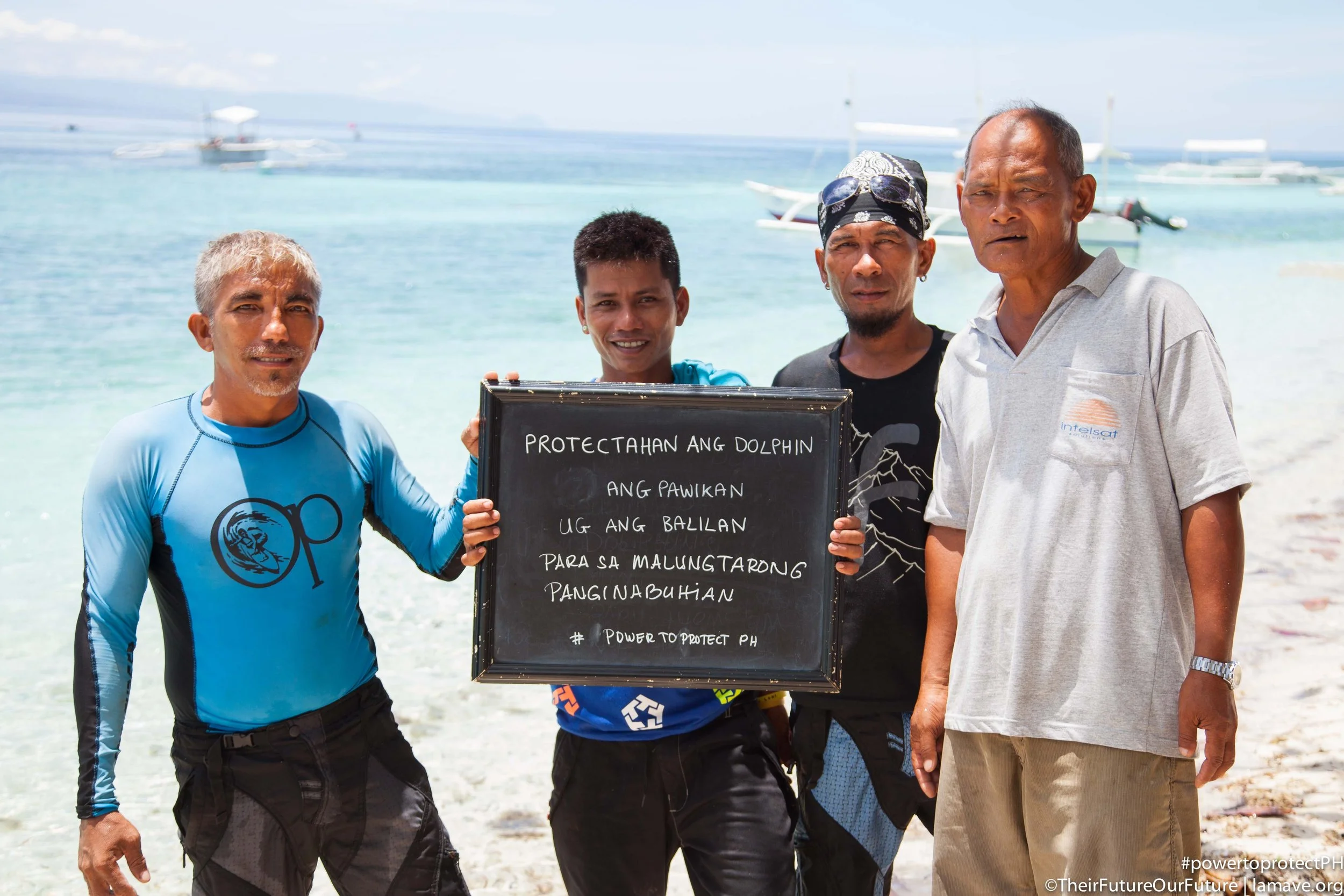
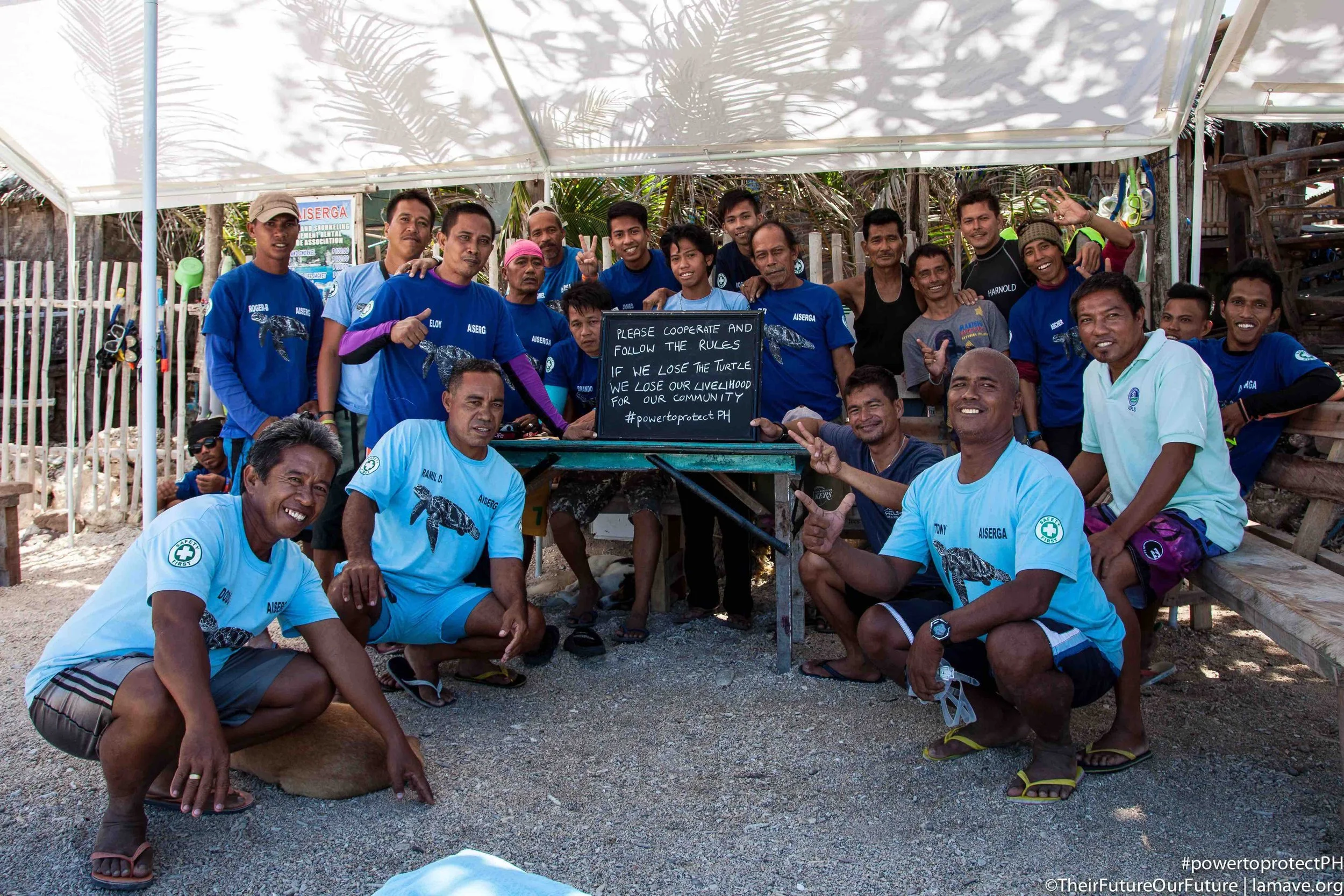
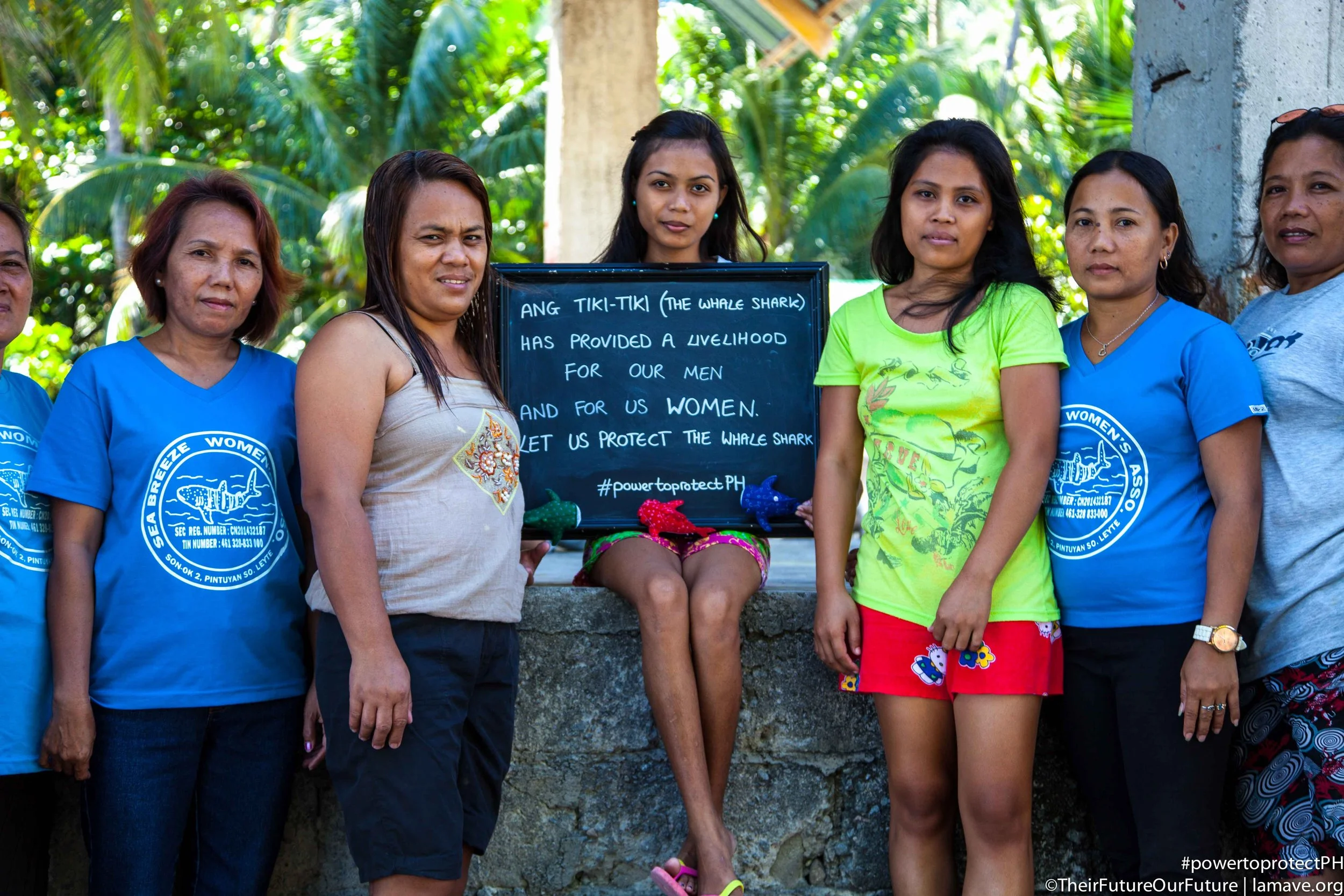
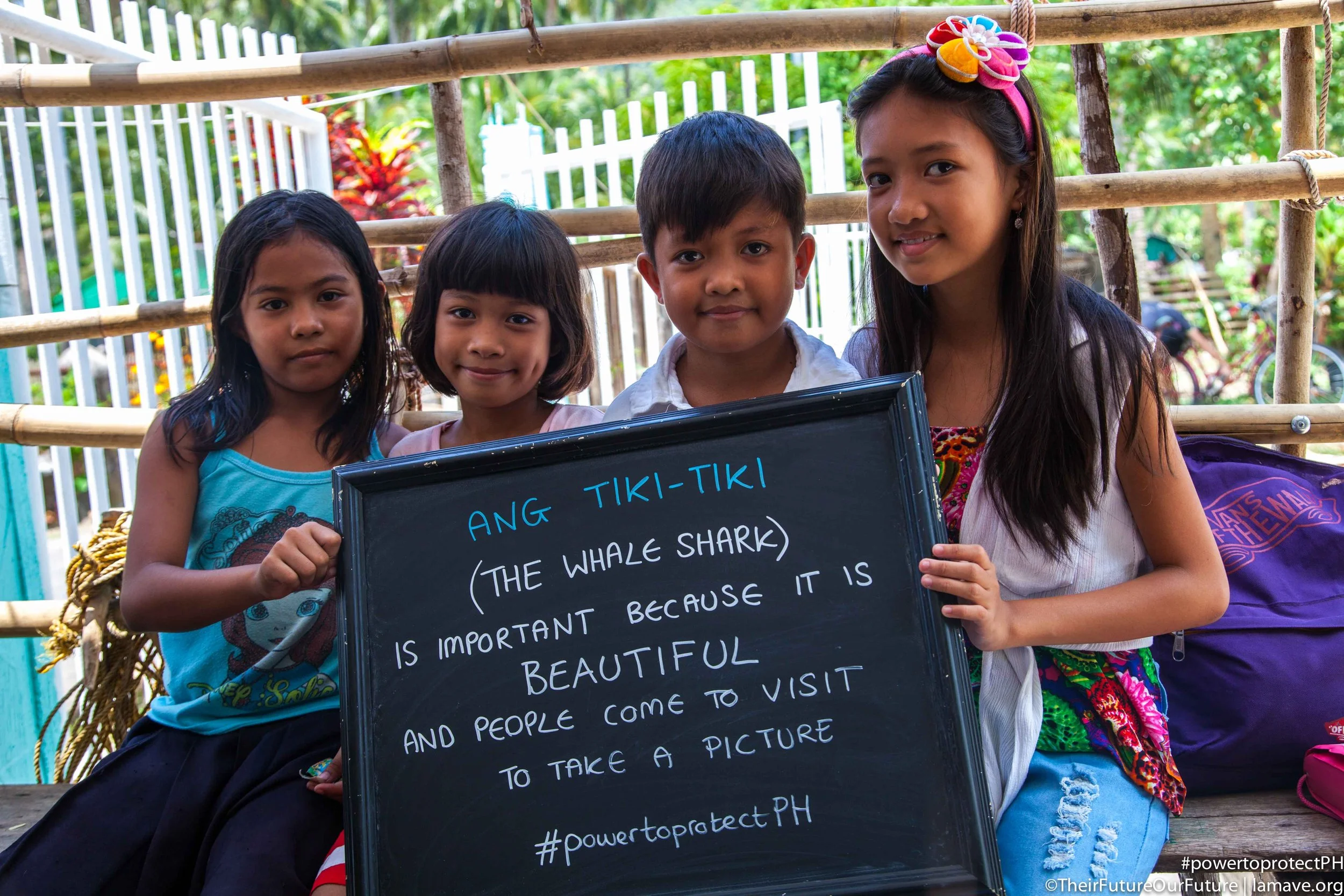
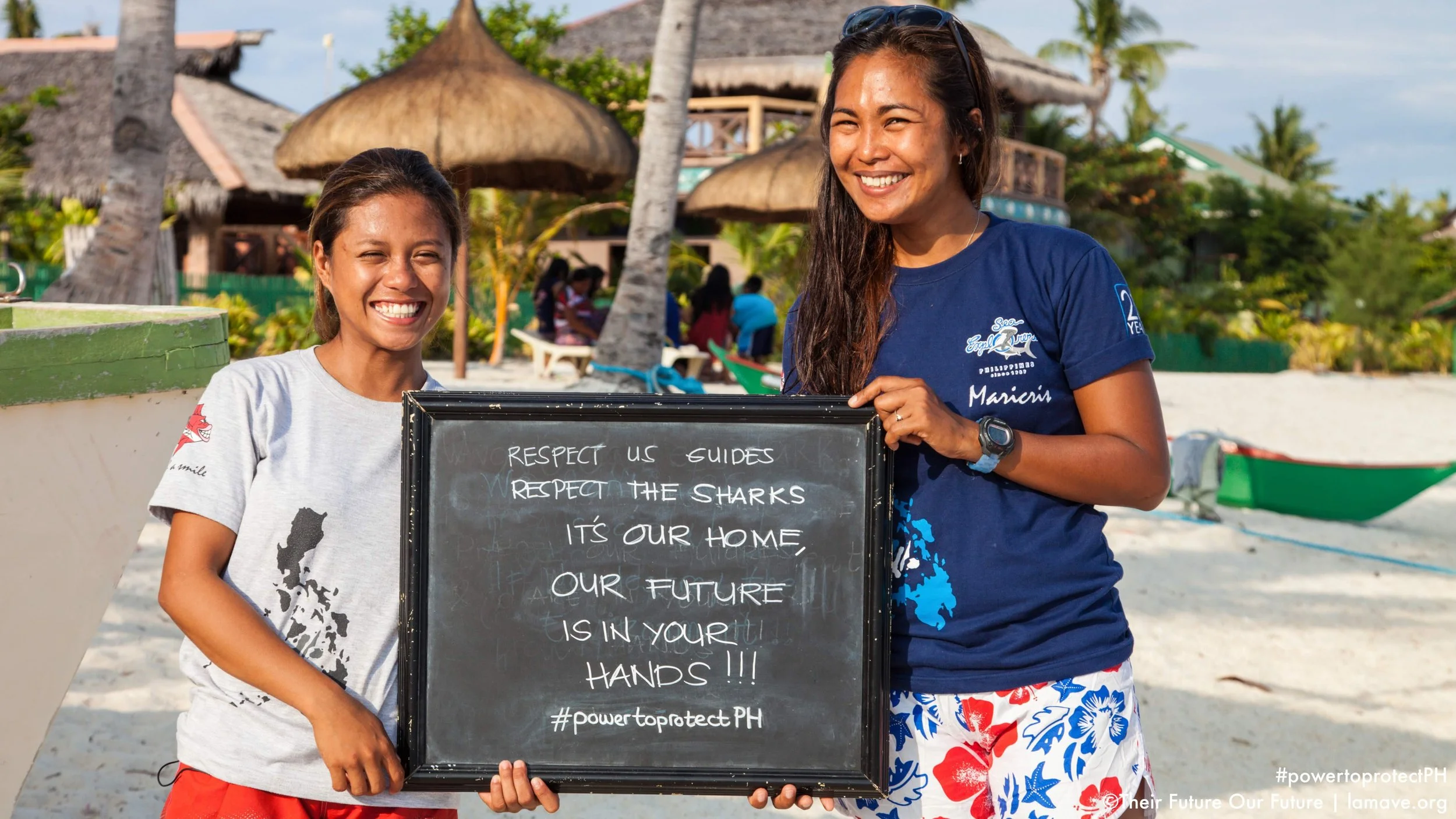
In 2016, Pintuyan community members joined the ‘Their Future, Our Future’ campaign, a collaborative initiative that championed sustainable marine wildlife tourism and supported the development of the Joint Memorandum Circular (DOT-DA-DILG-DENR JMC No. 01 s. 2020), which established national guidelines for marine wildlife tourism interactions in the Philippines. The JMC was a collaborative effort between national government agencies, NGOs, CSOs and stakeholders alike. In the video campaign, Pintuyan featured alongside representatives from Malapascua, Donsol, Apo Island and Pamilacan, to demonstrate how communities can protect marine wildlife while supporting local livelihoods (video below)
Pintuyan's story shows that sustainable marine wildlife tourism is not built overnight. It requires long-term commitment, strong local leadership and policies that safeguard both wildlife and the people who depend on it.
Bohol Province leads the way with new legislation on marine wildlife tourism
Neighboring Bohol is now building on those same principles. Earlier this year, Governor Erico Aristotle Aumentado signed the Implementing Rules and Regulations of Provincial Ordinance No. 2026-004, the “Enhanced Sustainable Marine Wildlife Interaction Ordinance,” which regulates whale shark, or “tuki”, interactions in the province.
The ordinance reflects years of consultation and collaboration. During discussions in 2025, Raul Cordova from the Pintuyan whale shark initiative shared lessons from Southern Leyte, alongside insights from Donsol, one of the Philippines’ pioneering whale shark tourism destinations. It is inspiring to see communities learning from one another and helping shape a more sustainable future for marine wildlife tourism in the Philippines.
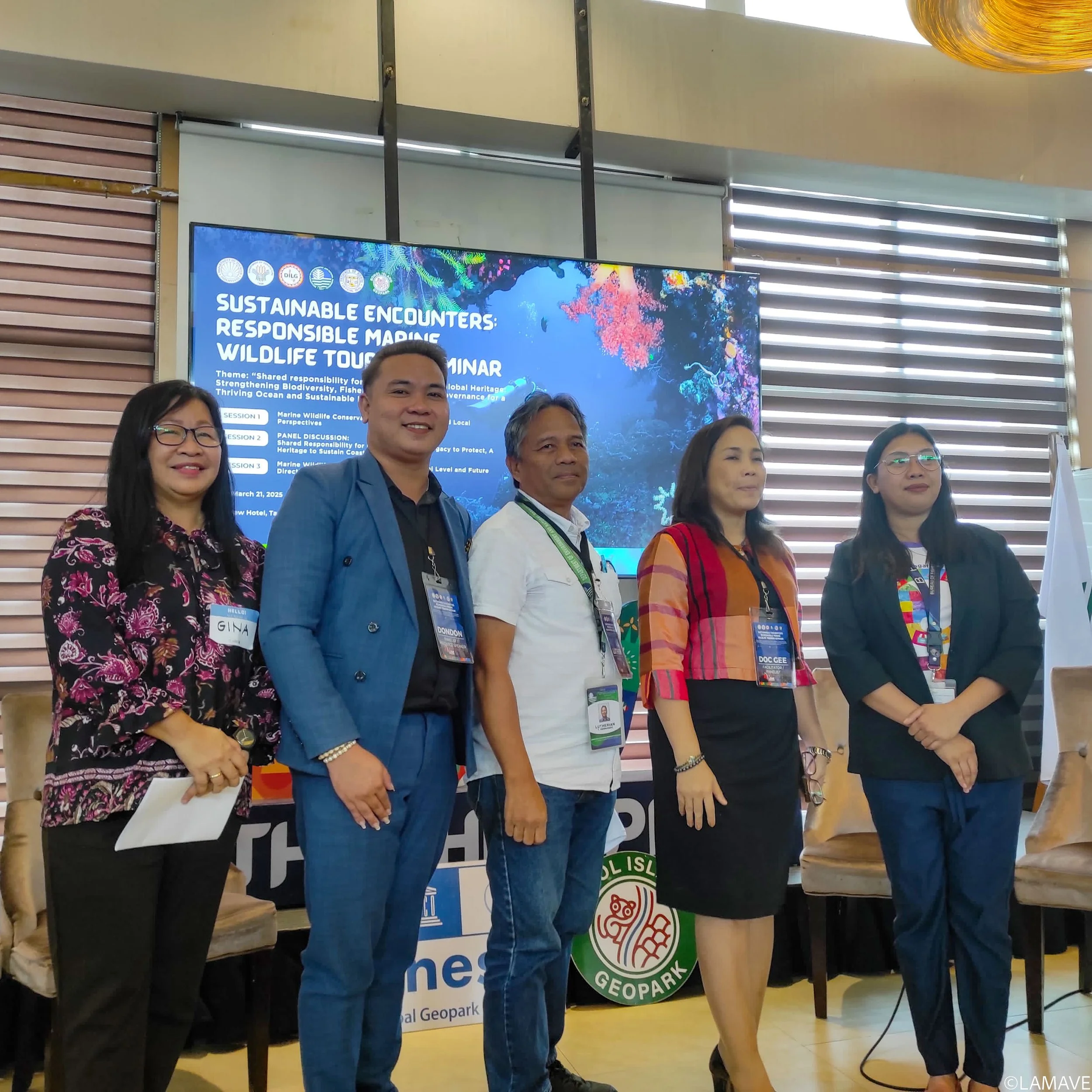
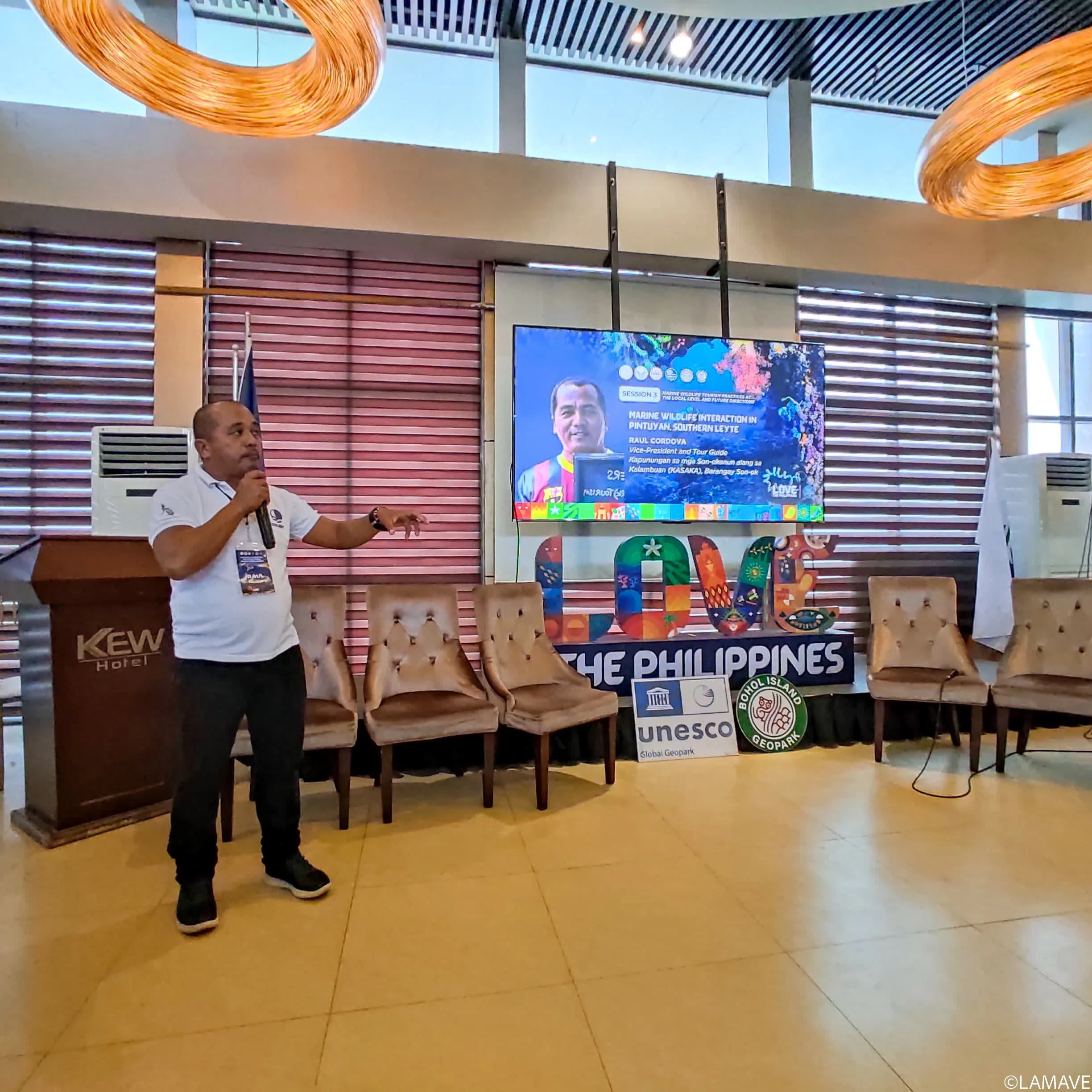
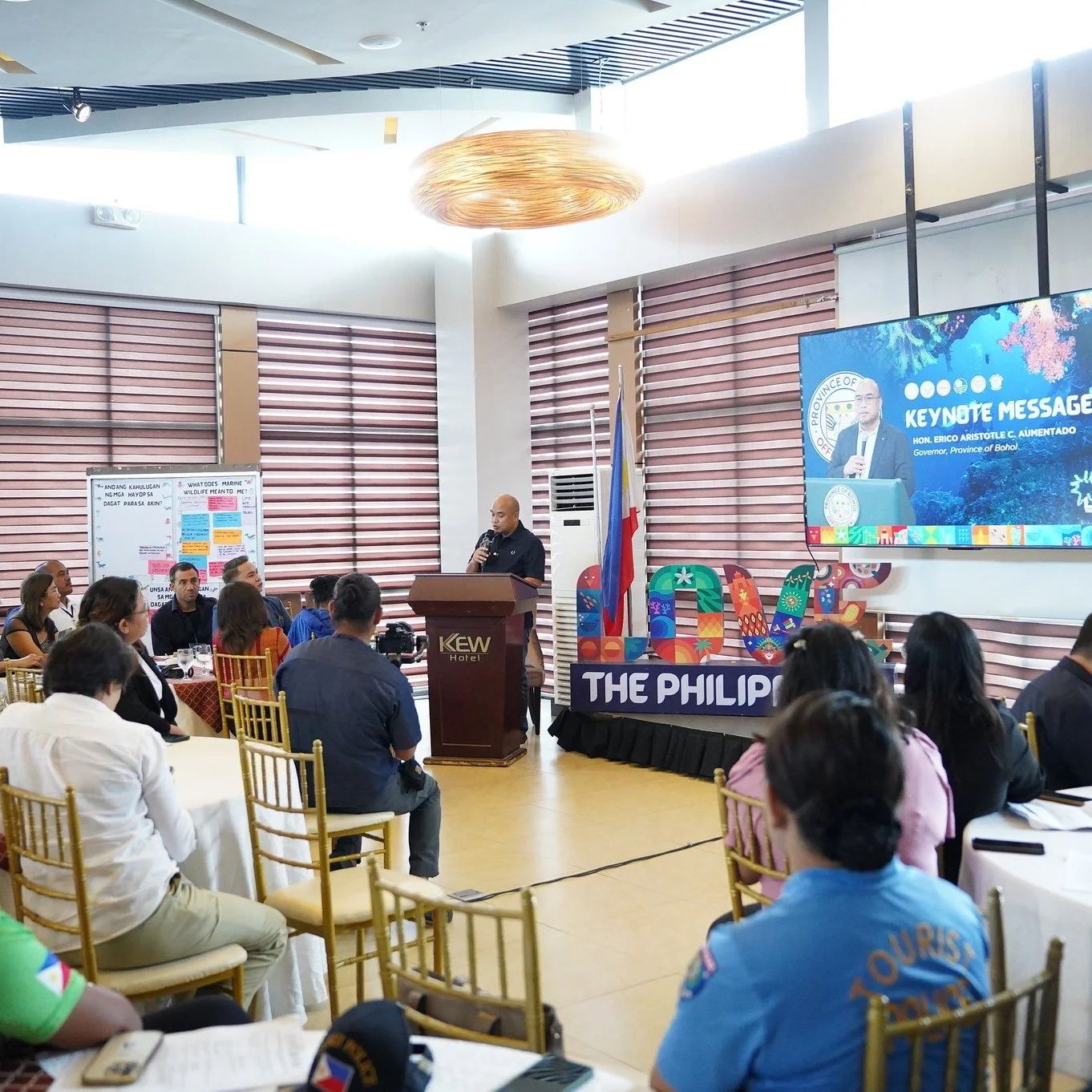
Photos show participants at an event in Bohol discussing sustainable marine wildlife tourism. Centre Raul Cordova from Pintuyan addresses the audience.
Meanwhile, in Puerto Princesa City, Palawan, LAMAVE is working with the City Environment and Natural Resources Office, City Tourism Office and local stakeholders to strengthen marine wildlife protection and explore management approaches that support responsible marine wildlife tourism.
So this World Oceans Day, the question is not just what the ocean gives us, but crucially, what we give back.
If you plan to interact with marine wildlife, choose operators that follow science-based guidelines, support local communities, and prioritize animal welfare and habitat protection.
Sustainable tourism is not just a choice, it is a responsibility shared by all of us. Let’s support our marine wildlife community champions.
We all have the #PowertoprotectPH
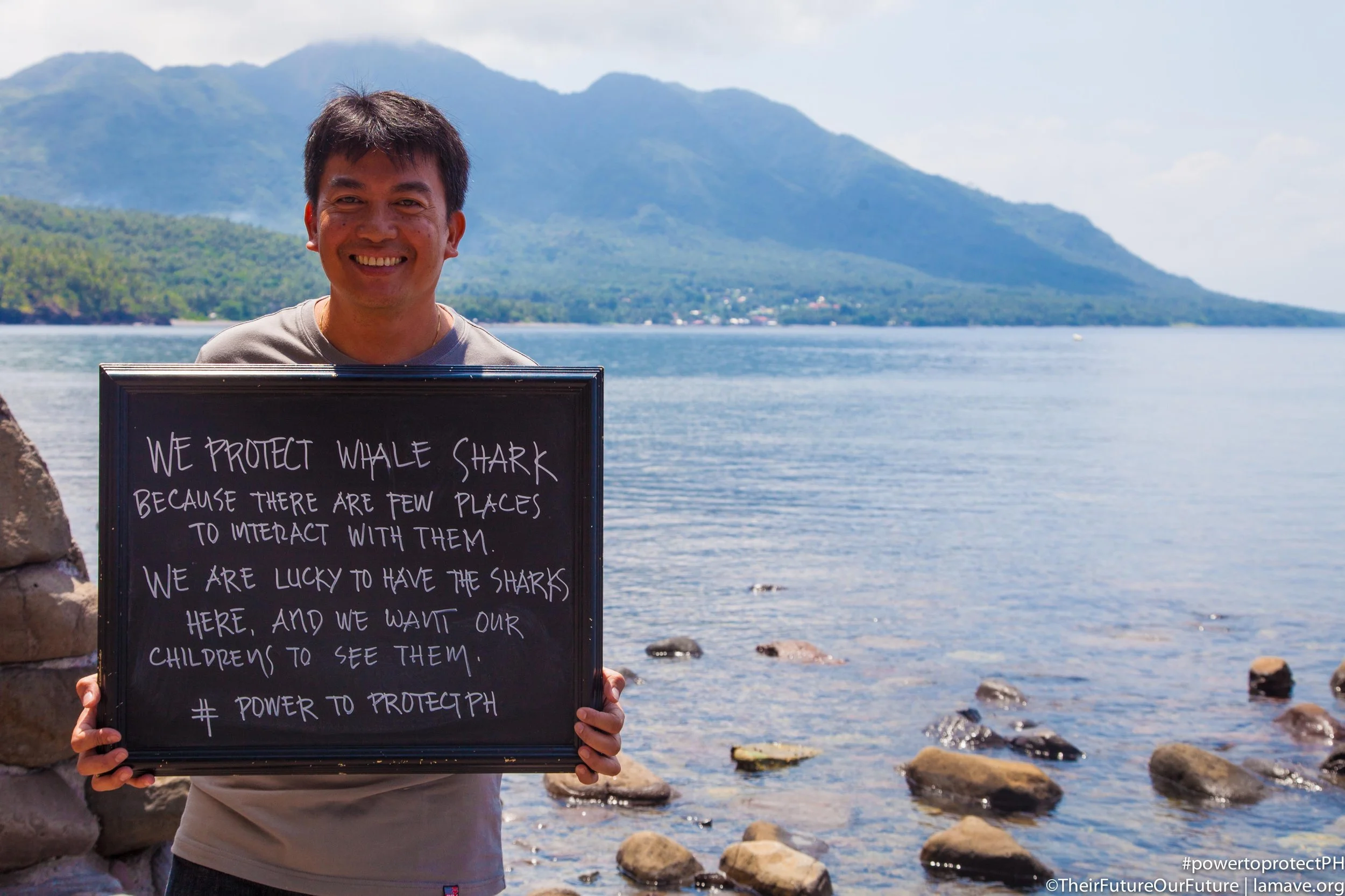
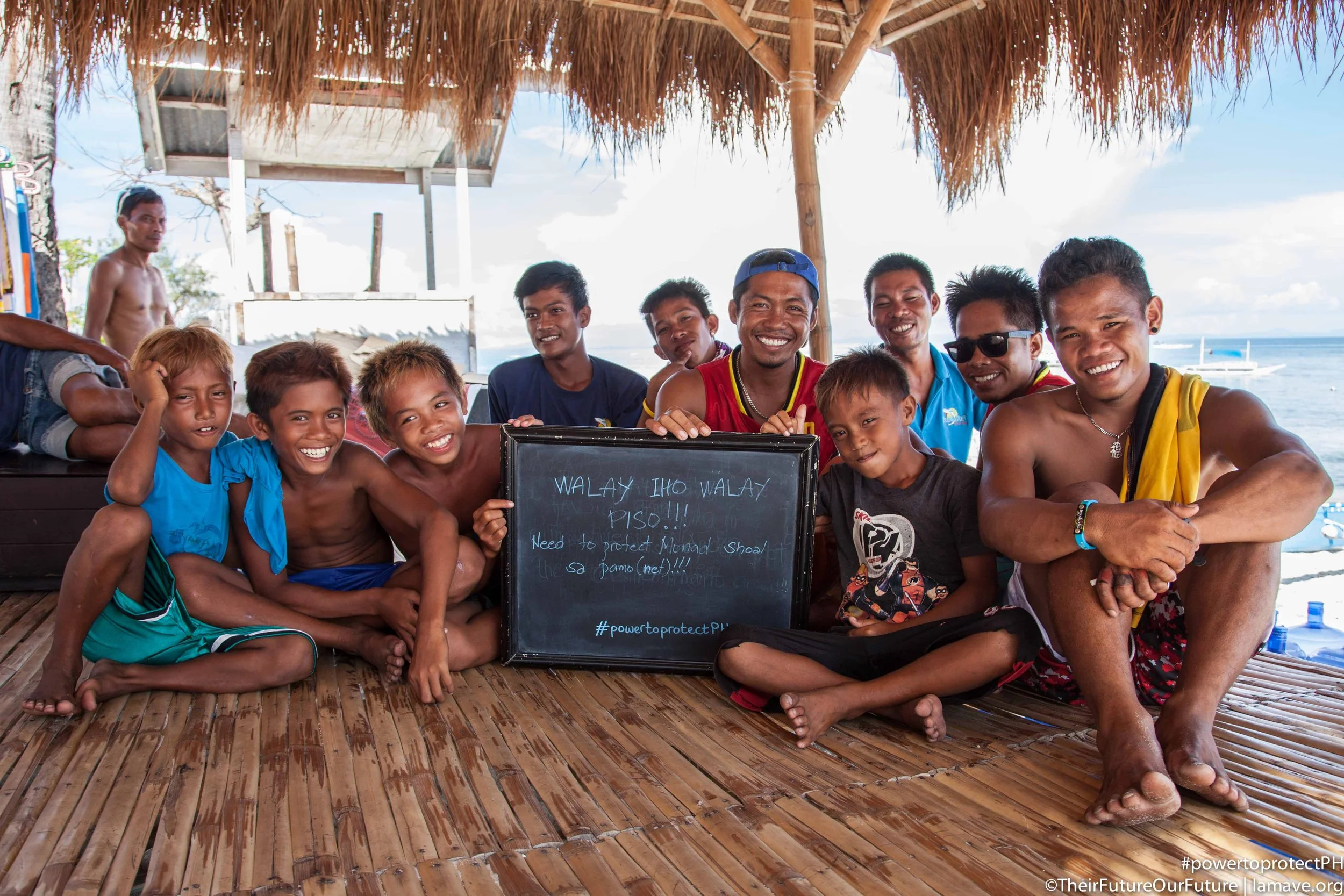
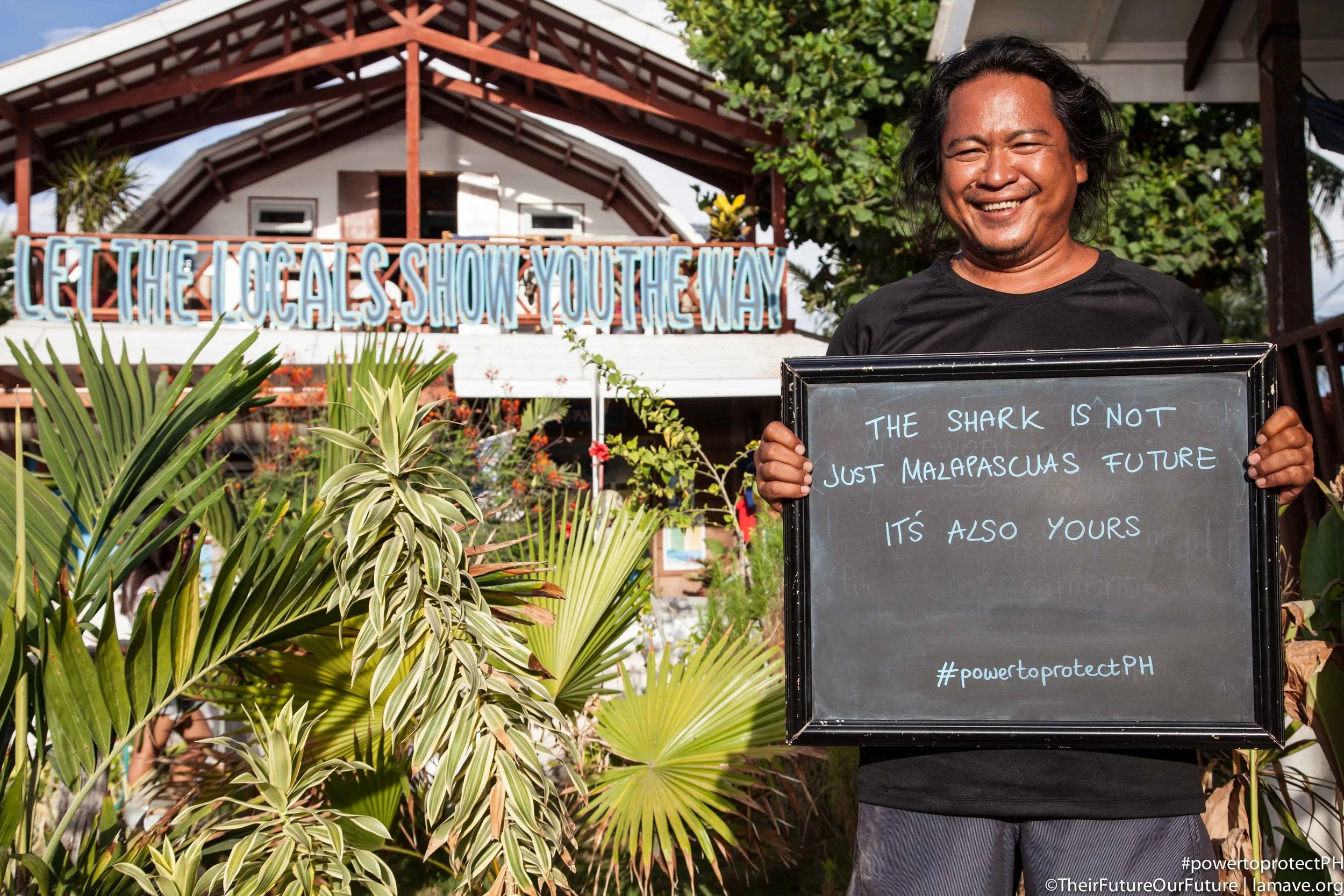
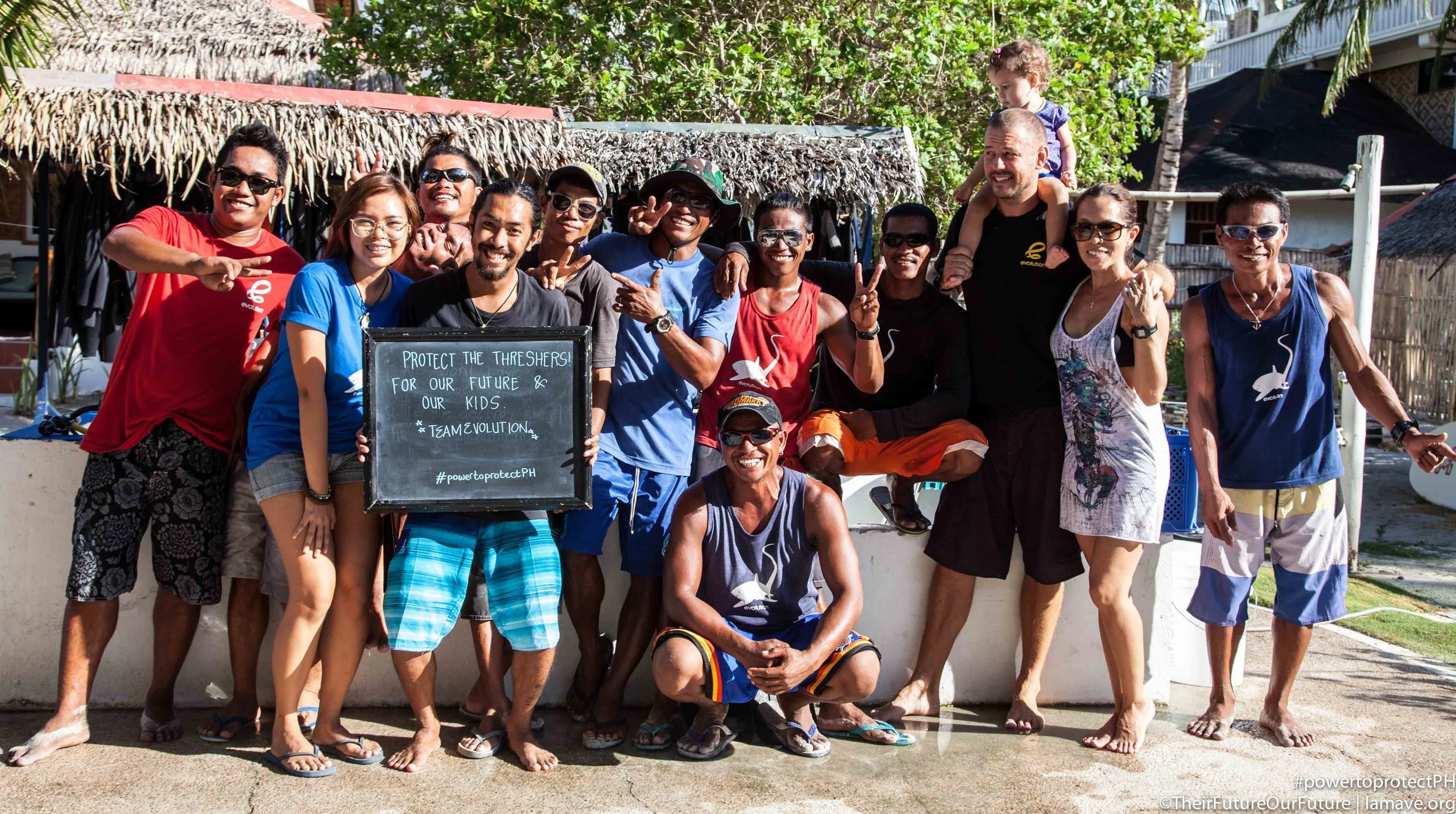
Messages from community members from Pintuyan (So. Leyte), Malapascua Island (Cebu), Pamilacan Island (Bohol), Apo Island (Negors Oriental) and Donsol (Sorsogon) from the Their Future Our Future Campaign (2016).
Read more about Pintuyan, Southern Leyte