TECHNOLOGY IN ACTION
From an ocean question to a working prototype
Participants will work in interdisciplinary teams to design, assemble, and test affordable technologies for marine research and conservation.
The camp focuses on technologies that can be built, repaired, adapted, and used in local settings. Participants will learn that useful ocean technology does not always need to be expensive or highly complicated.
What participants may work with
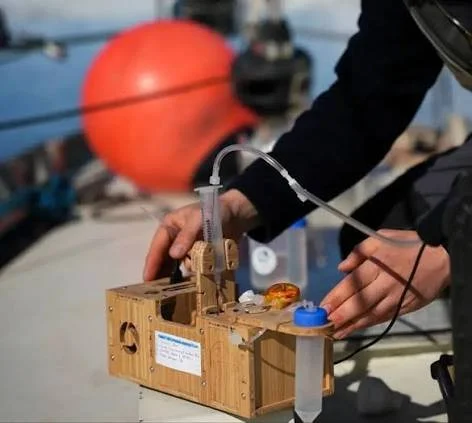
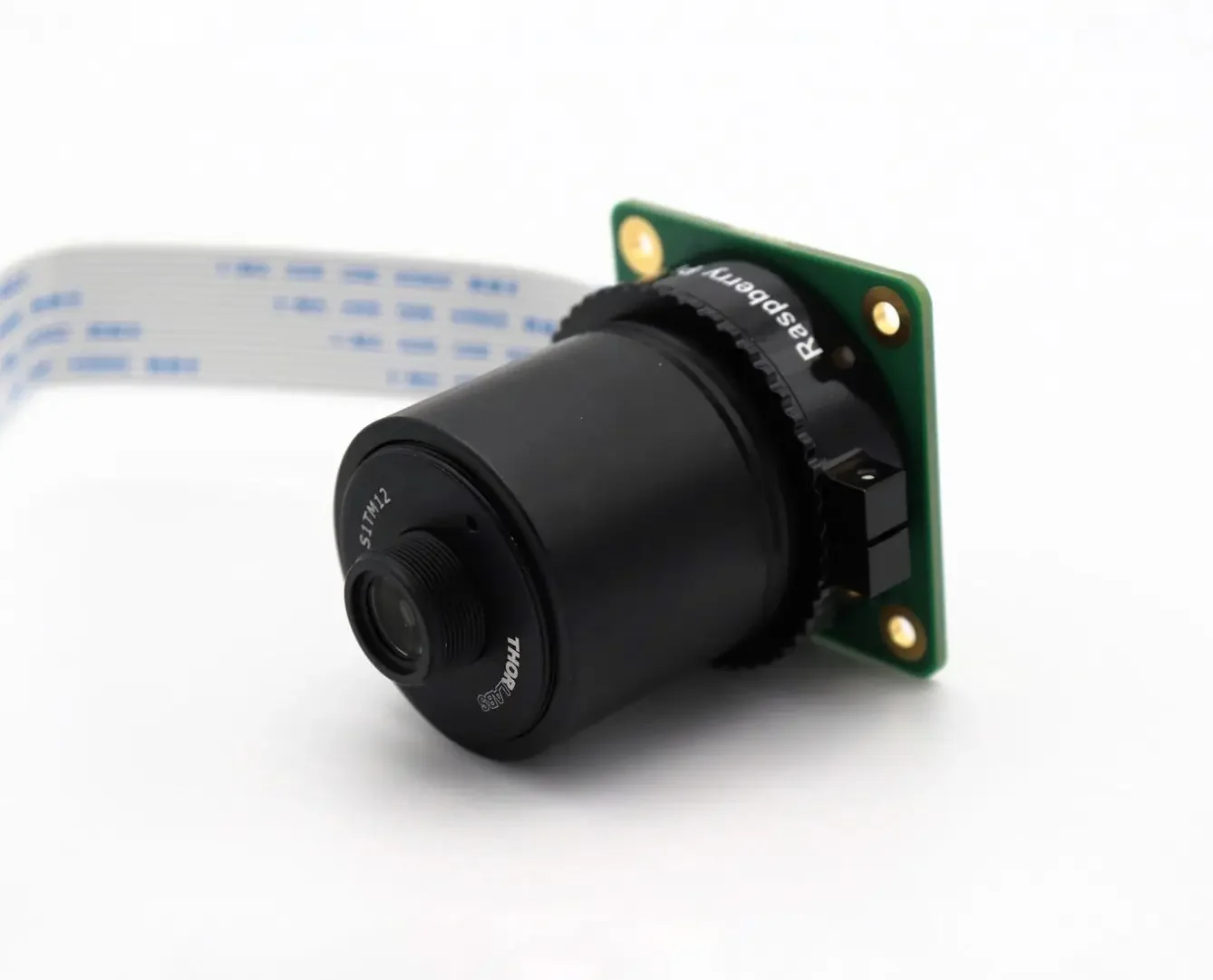
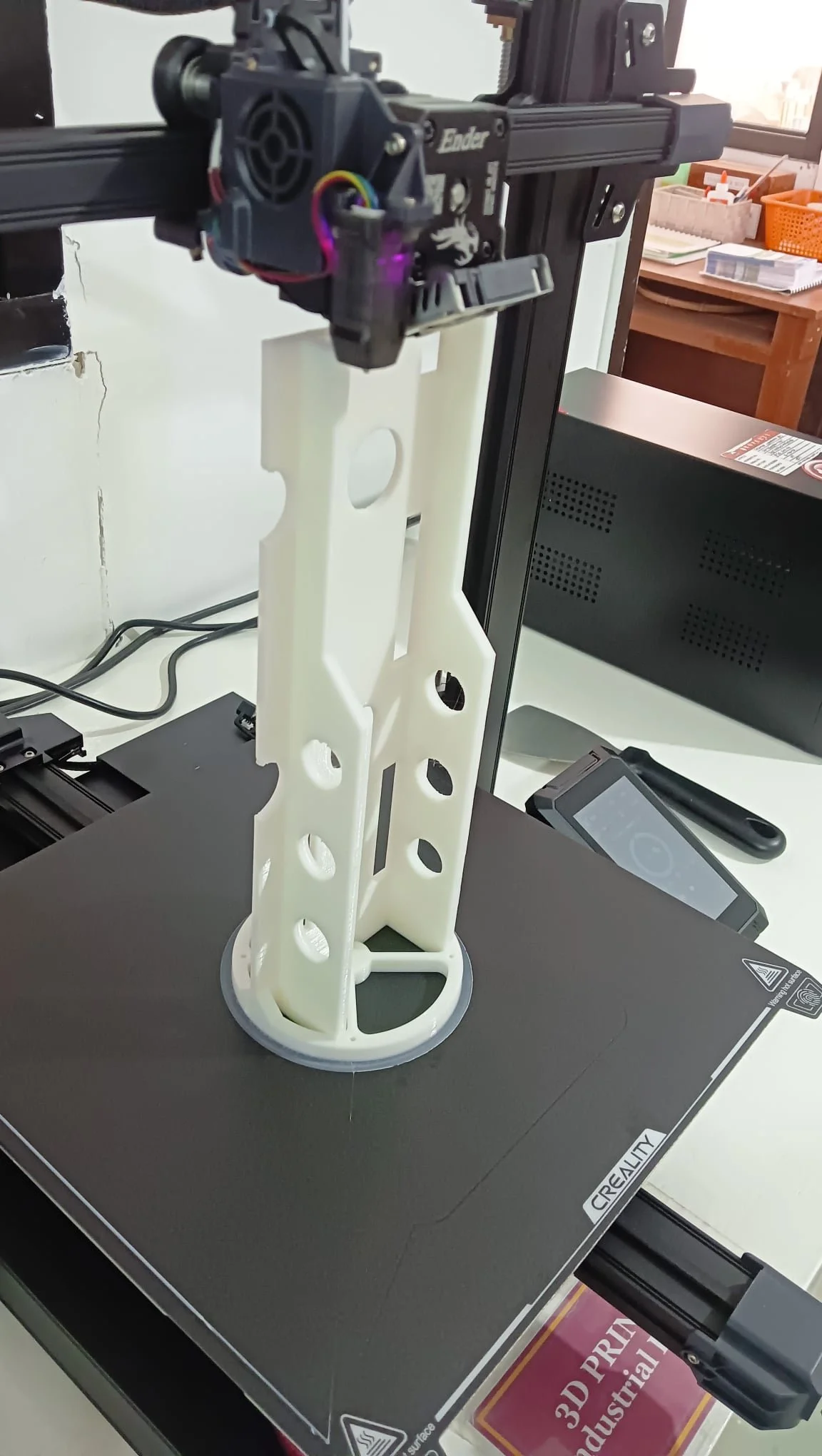
Depending on the final activities, participants may use:
Low-cost cameras and imaging systems
Plankton-imaging tools
Shallow-water fish-observation cameras
Raspberry Pi-based systems
Basic sensors and field electronics
Lenses, LED lighting, and portable power supplies
PVC, acrylic, and three-dimensional printed components
Simple housings and deployment systems
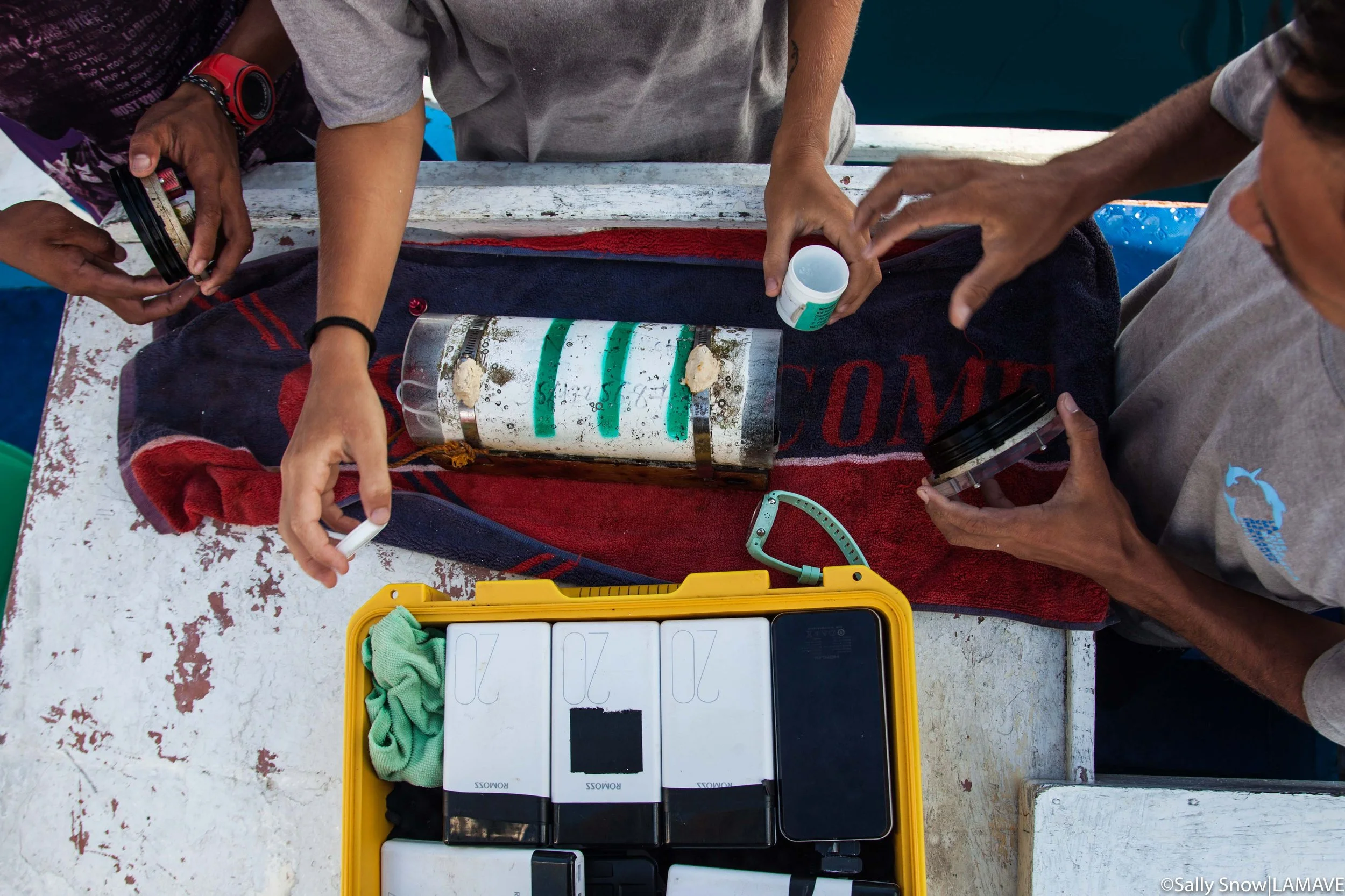
Design, Build, Test
Teams will move through a practical design process:
-Identify the problem
-Develop a possible solution
-Select suitable materials and components
-Assemble the prototype
-Conduct workshop and field tests
-Document what happened
-Troubleshoot and improve the design
Testing may take place in controlled environments and selected coastal or marine field locations around Puerto Princesa, subject to weather, logistics, and safety conditions.
The goal is not to create a perfect finished product. It is to understand how technology is developed, how it performs under real conditions, and how it could be improved for future use.